


How is bronchopneumonia treated in children?
Jun 06, 2022
Source: Cainiu Health

Dr. Guo Xiheng
Introduction
Children with bronchopneumonia can receive anti-infective treatment. Since pediatric bronchopneumonia is an infectious disease, antibiotic therapy must be administered under a physician’s guidance. Cephalosporins—such as cefuroxime—may be selected clinically. Symptomatic treatment is also essential: for children with bronchopneumonia whose body temperature exceeds 38.5°C, antipyretic and analgesic medications—such as ibuprofen granules—may be administered to reduce fever.
Bronchopneumonia is a complex disease. When children develop this condition, prompt treatment is essential to prevent damage to their lung health and avoid the onset of other chronic pulmonary diseases. Moreover, identifying the appropriate treatment approach enables more effective control of bronchopneumonia. So, how should bronchopneumonia in children be managed?
How Is Bronchopneumonia Treated in Children?
Antimicrobial therapy is the cornerstone of treatment for pediatric bronchopneumonia, as it is an infectious disease. Antibiotics should be administered strictly under medical supervision. Cephalosporins—such as cefuroxime—are commonly selected in clinical practice. Symptomatic treatment is also critical: if a child’s temperature exceeds 38.5°C, antipyretic and analgesic medications such as ibuprofen granules may be administered to reduce fever. For children experiencing severe coughing and productive cough, antitussive and expectorant agents may be prescribed; additionally, ensuring adequate fluid intake—especially water—is highly recommended.
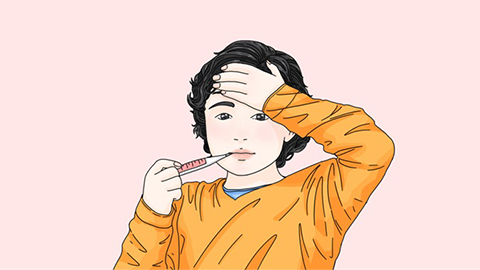
Physical cooling methods or antipyretic medications may be used for fever management. Encouraging the child to drink ample warm water helps thin mucus, facilitating expectoration. Gentle back percussion can further assist in loosening and expelling secretions, thereby alleviating cough and wheezing symptoms. Nebulization therapy is another effective supportive measure that can be safely performed at home. However, if the child exhibits persistent, severe coughing, marked respiratory distress, or lethargy, immediate medical evaluation and hospital-based treatment under physician guidance are imperative.
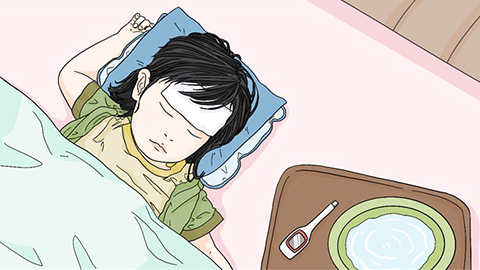
Early intervention for bronchopneumonia in children is crucial to prevent complications. Therefore, children diagnosed with pneumonia should be promptly referred to the Department of Respiratory Medicine for professional evaluation and management. We hope this information proves helpful.





