Can you eat watermelon after the Beginning of Autumn?
Jun 06, 2022
Source: Cainiu Health

Dr. Zhao Haiming
Introduction
Watermelon is considered “cold” in nature. After the beginning of autumn (Liqiu), temperatures gradually drop. Excessive cold stimulation may weaken gastric motility and impair gastrointestinal function. Individuals with diarrhea, gastrointestinal discomfort, weakened physical constitution, pregnant women, and infants and young children are advised to avoid watermelon after the beginning of autumn to prevent exacerbation of symptoms or gastrointestinal disorders such as diarrhea—especially chilled watermelon.
Many people enjoy eating watermelon because it is a highly nutritious fruit. However, after the “Beginning of Autumn” solar term—when the weather gradually cools—some worry that consuming watermelon may cause physical discomfort. So, can you still eat watermelon after the Beginning of Autumn?
Can You Eat Watermelon After the Beginning of Autumn?
Whether or not to eat watermelon after the Beginning of Autumn depends on individual constitution. Watermelon is rich in glucose, amino acids, vitamin C, and contains no fat or cholesterol, making it one of the most popular fruits. However, watermelon is considered “cold” in nature according to Traditional Chinese Medicine (TCM). As temperatures drop after the Beginning of Autumn, excessive intake of cold-natured foods may weaken gastric motility and impair gastrointestinal function. Individuals with diarrhea, gastrointestinal discomfort, general weakness, pregnant women, and infants and young children are advised to avoid watermelon after the Beginning of Autumn, as it may exacerbate symptoms or trigger gastrointestinal disorders such as diarrhea—especially chilled or refrigerated watermelon.
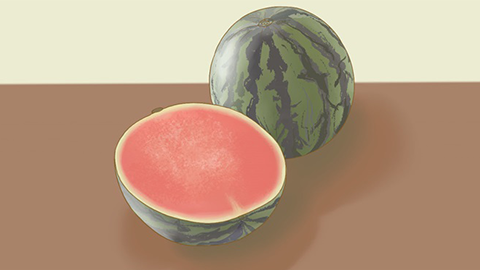
Additionally, individuals with chronic kidney disease or congestive heart failure should limit watermelon consumption, as its high water content may lead to rapid fluid retention, placing extra strain on the heart and kidneys. For patients with hyperglycemia, excessive watermelon intake may cause a sharp rise in blood glucose levels. Therefore, regardless of season, individuals with chronic kidney disease, congestive heart failure, or hyperglycemia should avoid overconsumption of watermelon to prevent adverse health effects.

Conversely, individuals with robust spleen-stomach function, a warm body constitution, and overall good health may consume watermelon in moderation after the Beginning of Autumn—but should still avoid excessive intake. We hope this information is helpful to you!