


Symptoms of Pneumonia in Children
Jun 06, 2022
Source: Cainiu Health

Dr. Ma Yan
Introduction
When children develop pneumonia, they may experience symptoms such as fever, cough, and difficulty breathing. The body temperature can become markedly elevated—up to 38°C. Fever caused by pneumonia typically persists for 2–3 days; even after antipyretic medication is administered and the temperature temporarily decreases, it tends to rise again shortly thereafter. This differs from fever associated with the common cold in children, which is usually of shorter duration and typically remains below 38°C.
Pneumonia is very common in children, primarily due to their immature immune systems. It impairs respiratory function, and severe cases may lead to heart failure and respiratory failure. Therefore, once these symptoms appear, parents should promptly take their child to a healthcare provider for evaluation. So, what are the symptoms of pneumonia in children?
Symptoms of Pneumonia in Children
Children with pneumonia may present with fever, cough, and respiratory distress. Body temperature can rise significantly—often reaching 38°C or higher. Fever caused by pneumonia typically persists for 2–3 days; even after antipyretic medication temporarily lowers the temperature, it tends to rebound shortly thereafter. This differs from fever associated with the common cold, which usually lasts only a short time and rarely exceeds 38°C. However, some children with pneumonia may not develop fever at all—or may even exhibit hypothermia (abnormally low body temperature). Moreover, the duration of fever alone cannot reliably indicate whether a child has pneumonia; clinical assessment must incorporate other signs and symptoms. Pneumonia secondary to the common cold or bronchitis typically does not cause significant respiratory distress. Nevertheless, if a child exhibits severe coughing, wheezing, or cyanosis (bluish discoloration) of the lips, immediate medical attention—and often hospitalization—is warranted.

Pneumonia is a relatively serious condition. In traditional Chinese medicine (TCM), it is described using terms such as “cough,” “phlegm,” and “asthma.” Pneumonia-related fever is typically moderate to high-grade—often exceeding 38°C. Cough is usually deep-seated and may be productive (with phlegm) or non-productive (dry); in later stages, phlegm may appear. Additional signs may include nasal flaring, wheezing, lethargy, poor appetite, and constipation. In severe cases, complications such as encephalopathy or febrile seizures and convulsions secondary to pneumonia may occur. Pneumonia can be classified etiologically as viral, mycoplasmal, or bacterial—with mycoplasma infection (either alone or in combination with bacterial or viral co-infection) being the most common cause. Mycoplasma pneumonia is characterized by prominent fever and persistent dry cough, absence of rales on auscultation, severe systemic symptoms, and a thick, greasy tongue coating.
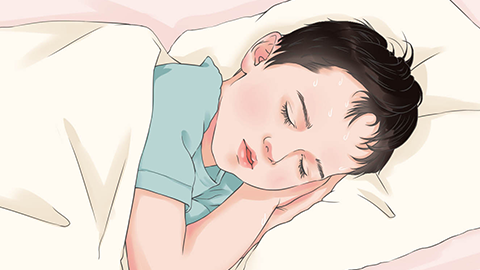
It is recommended that children drink plenty of fluids and consume nutrient-rich, easily digestible foods to support recovery. Nutritional supplementation—including cod liver oil—and regular outdoor sun exposure are encouraged to promote both endogenous and exogenous vitamin D synthesis. We hope this information proves helpful.






