


Early Symptoms of Childhood Leukemia
Jun 07, 2022
Source: Cainiu Health

Dr. Pan Yongyuan
Introduction
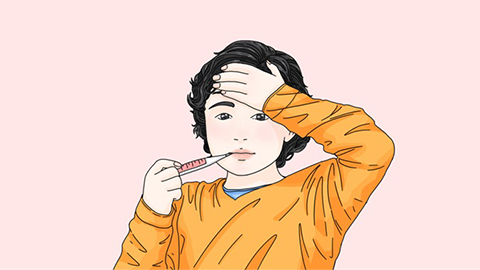
Fever is an early manifestation of leukemia, often presenting as fever of varying degrees and patterns. It is primarily caused by infections; severely ill patients may also develop sepsis or septicemia. Fever may also occur as a direct consequence of acute leukemia itself, typically without signs of infection. Infection—most commonly bacterial—is frequently observed in advanced disease stages, particularly when neutrophil counts remain persistently below normal levels.
During childhood growth and development, symptoms of leukemia may emerge. What, then, are the early signs of childhood leukemia?
Early Symptoms of Childhood Leukemia
Fever is an early manifestation of leukemia, often presenting as low- to high-grade fever or intermittent febrile episodes. Fever is commonly caused by infections; in severe cases, patients may develop sepsis or septicemia. Fever may also occur as a direct consequence of acute leukemia itself—typically without accompanying signs of infection. Bacterial infections are the most common infectious etiology. In advanced disease stages, prolonged neutropenia (persistently low neutrophil counts) predisposes patients to infection. Prolonged use of broad-spectrum antibiotics further increases the risk of fungal infections. Viral infections are rare but potentially life-threatening and therefore warrant close attention.
Bleeding—bleeding manifestations must not be overlooked. Patients may exhibit generalized bleeding. Skin, gingival, and nasal bleeding are especially prominent; some patients show marked retinal or otic hemorrhage, while others experience severe internal bleeding—including intracranial and respiratory tract hemorrhage.Anemia is particularly evident in young children with early-onset disease. A small subset of patients develops myelodysplastic syndrome months or even years before their eventual leukemia diagnosis, which then progresses gradually into overt leukemia. Affected children commonly present with fatigue, palpitations, shortness of breath, pallor, and lower-limb edema, among other adverse symptoms.
Parents should remain vigilant for signs of leukemia during their child’s developmental years. It is essential for caregivers to fully understand the disease’s early warning signs and implement appropriate preventive measures throughout childhood. Should leukemia be diagnosed, prompt referral to a hospital for evaluation and treatment is critical. Comprehensive supportive care—including dietary management—is vital: meals should be light, balanced, and nutritionally appropriate. We hope this article has been helpful. Wishing you a joyful life and optimal health!





