


How long can a leukemia patient live after a bone marrow transplant?
Jun 07, 2022
Source: Cainiu Health

Dr. Zhang Jianbin
Introduction
Patients with chronic leukemia have targeted therapeutic drugs available—especially those with chronic myeloid leukemia (CML), who commonly receive imatinib, a targeted agent associated with favorable treatment outcomes. A small number of CML patients may opt for hematopoietic stem cell transplantation (HSCT). In contrast, HSCT is more frequently performed in patients with acute leukemia; however, the success rate of HSCT in acute leukemia is approximately 50%. Some patients who undergo HSCT may achieve long-term survival and even cure.
Many patients with leukemia undergo bone marrow transplantation as a treatment. However, after the procedure, they often worry about their life expectancy. So, how long can patients with leukemia live after bone marrow transplantation?
How Long Can Patients with Leukemia Live After Bone Marrow Transplantation?
Patients with chronic leukemia have access to targeted therapies—especially those with chronic myeloid leukemia (CML), who commonly receive imatinib, a highly effective targeted drug. A small number of these patients may opt for bone marrow transplantation. In contrast, bone marrow transplantation is more frequently performed in patients with acute leukemia; however, the success rate for such transplants is approximately 50%. Some patients achieve long-term survival and even cure following transplantation, while others survive for about three years post-transplant, with longer survival reaching five to six years.
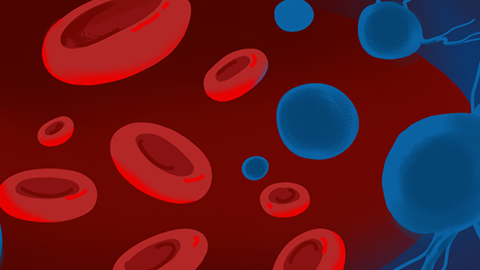
Overall survival is significantly influenced by multiple factors, including the pathological subtype and disease status of leukemia, HLA (human leukocyte antigen) compatibility between donor and recipient, post-transplant complications, and other individual variables. For instance, bone marrow transplantation performed during complete remission of acute leukemia yields higher success rates and longer survival compared to transplantation conducted without achieving complete remission. The exact etiology of leukemia remains unclear; however, it is recognized as a malignant clonal disorder of hematopoietic stem cells. Potential contributing factors include: prolonged or repeated exposure to ionizing radiation, such as X-rays and gamma rays; repeated exposure to toxic substances like benzene and formaldehyde.
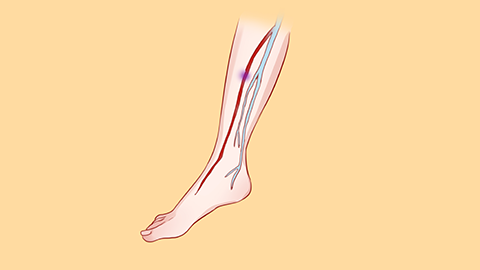
Viral infections—particularly human T-cell leukemia virus (HTLV-1) infection—have been associated with leukemia development. Genetic predispositions also play a role: individuals with Down syndrome (trisomy 21) or Fanconi anemia exhibit markedly increased risks of developing leukemia. Additionally, leukemia may arise secondarily from other hematologic disorders, such as myelodysplastic syndromes (MDS), lymphoma, or multiple myeloma. We hope this article has been helpful to you. Wishing you a joyful life and good health!






