


Is it effective to apply a face mask late at night?
Jun 08, 2022
Source: Cainiu Health

Dr. Gan Liqiang
Introduction
Applying a face mask late at night is ineffective and may damage the skin. Doing so can increase the skin’s susceptibility to allergic reactions and injury. This occurs because stress—such as that caused by sleep deprivation—can lead to dryness, roughness, wrinkles, pallor, and even acne. Under anxiety, cutaneous capillaries are prone to bleeding, vasoconstriction, and reduced immune function, rendering the skin extremely fragile.
In recent years, changes in people’s work and lifestyle have led many individuals to stay up late—or even develop a habit of doing so. So, is applying a face mask while staying up late beneficial?
Is applying a face mask while staying up late effective?
Applying a face mask during late-night hours offers no benefits—and may actually harm the skin. When applied after staying up late, face masks can increase the risk of skin sensitivity and damage. This occurs because stress—such as that induced by sleep deprivation—can cause dryness, roughness, fine lines, pallor, and even acne. Anxiety triggers microvascular bleeding, capillary rigidity, and reduced immune function in the skin, rendering it exceptionally fragile. Face masks are highly concentrated cosmetic products designed to temporarily suppress pore respiration and accelerate facial blood circulation, thereby facilitating rapid penetration of nutrients from the mask into the skin. However, under conditions of sleep deprivation, this process disrupts the skin’s natural homeostasis; instead of nourishing the skin, the nutrients may provoke irritation. Many fatigued individuals experience immediate rashes or stinging sensations after mask application.
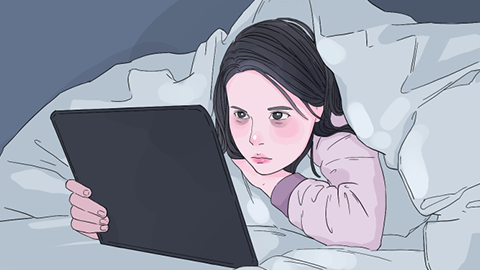
After staying up late, one should consume light, energy-sustaining meals rich in B-complex vitamins. Sleep deprivation significantly depletes energy reserves, necessitating sufficient caloric intake to maintain physical stamina. However, heavy, greasy foods should be avoided in the evening. Instead, opt for light, easily digestible, protein-rich foods to minimize nocturnal metabolic burden. B-complex vitamins effectively alleviate ocular strain and fatigue caused by prolonged screen use and play a vital role in promoting healthy hair and skin. Since staying up late substantially depletes B-vitamin stores, individuals who regularly sacrifice sleep should consciously increase their dietary intake of B-vitamin–rich foods.

Staying up late poses serious health risks; therefore, prioritizing adequate rest and avoiding sleep deprivation is essential for maintaining overall well-being. We hope this information proves helpful to you.





