


How much do transaminase levels increase after staying up late?
Jun 08, 2022
Source: Cainiu Health

Dr. Pan Yongyuan
Introduction
It is generally not possible to determine exactly how much alanine aminotransferase (ALT) levels will increase after staying up late. Individual physical conditions and disease severity vary, leading to different degrees of ALT elevation. However, chronic sleep deprivation can easily trigger elevated ALT levels, adversely affecting health. Therefore, patients are advised against prolonged熬夜.
Young people often lead irregular lifestyles. They are busy with work during the day and end up doing household chores—tasks that should ideally be completed during daytime hours—in the evening. Over time, this habit delays their normal bedtime. So, how much might transaminase levels increase after staying up late?
How Much Do Transaminase Levels Rise After Staying Up Late?
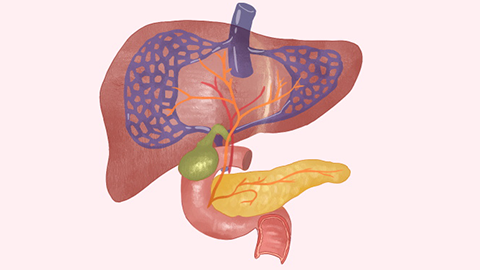
It is generally not possible to determine precisely how much alanine aminotransferase (ALT) levels will rise following sleep deprivation. Individual variations in physical condition and underlying disease severity mean ALT elevation differs from person to person. However, chronic sleep deprivation commonly triggers elevated ALT levels, adversely affecting health. Therefore, patients are strongly advised against prolonged late-night activity. To fully resolve elevated ALT, the underlying disease must be thoroughly treated—conditions such as cholecystitis or cirrhosis may be responsible for the ALT elevation.
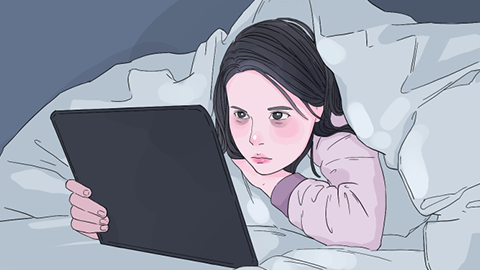
Sleep deprivation easily leads to “excess heat” (a traditional Chinese medicine concept referring to inflammatory or hyperactive physiological states), impairs cognitive function, and more. Overtime work and staying up late can trigger “heatiness,” manifesting as oral ulcers, gingival bleeding, and other symptoms caused by excessive liver fire. Excessive liver fire may also impair concentration. For students, this hinders academic performance. Many underperforming students develop the unhealthy habit of staying online all night; the next day, they struggle to comprehend their teachers’ lectures. Children—especially adolescents—are still undergoing physical and neurological development; prolonged sleep deprivation can negatively impact intellectual development.
Sleep deprivation poses significant harm to the body. We urge everyone to prioritize self-care and avoid staying up late. We hope this response has been helpful to you.





