What should I do if menstrual flow is heavy after diagnostic curettage?
Disease description:
Generally speaking, diagnostic curettage is more suitable for patients with endocrine abnormalities. It can help us determine whether there are issues such as ovulatory dysfunction. In fact, curettage treatment often yields good results. So, what should be done if menstrual flow is heavy after diagnostic curettage?
 Doctor's answer (1)

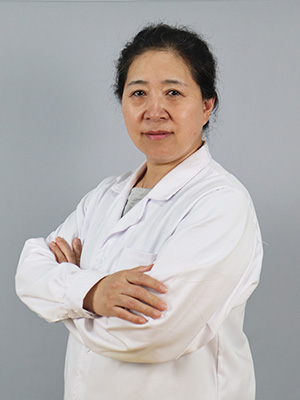
Dr. Lv Aiming
After a diagnostic curettage, if menstrual flow is heavy, traditional Chinese medicine may be taken orally as directed by a physician to stop bleeding, remove blood stasis, and cool the blood. Typically, bleeding can be controlled within about 3–5 days. Additionally, heavy menstrual bleeding following curettage may likely be caused by infection during the procedure. Infection can lead to increased endometrial secretion, which may result in persistent vaginal bleeding. Therefore, it is also advisable to follow the doctor's recommendation to take cephalosporin antibiotics for adjunctive treatment. If pathological examination after curettage reveals malignancy, further symptomatic treatment will be required.