How to Eliminate Hypertrophic Scars
Disease description:
I am 28 years old this year and have had a keloid problem for a long time. It has been troubling me for ages, but none of the treatments have given me satisfactory results, and the keloids keep recurring. May I ask, how can keloid scars be removed?
 Doctor's answer (1)
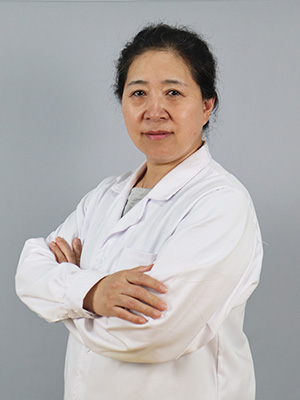
Dr. Wang Xiaoyan
Keloid scars are typically caused by excessive repair during the wound healing process, presenting as red, raised, and firm scars. The following are some methods to reduce keloid scars:
1. Scar massage: Gently massaging the scar with vitamin E oil or specialized scar care cream can help improve blood circulation and soften scar tissue.
2. Silicone gel sheets: Silicone sheets can be applied continuously on the scar to provide hydration and pressure, helping to flatten and fade the scar.
3. Physical therapies: Such as laser therapy and radiofrequency microneedling, which can stimulate skin regeneration and improve the appearance of scars.
4. Medications: Keloid scars are usually the result of excessive fibrous tissue repair following trauma. Under a doctor's guidance, topical application of vitamin B6 ointment or scar removal creams may be used. These medications can accelerate skin metabolism and help fade keloid scars.
5. Fractional laser: Fractional laser treatment primarily uses photothermal energy to irradiate the skin, promoting skin metabolism and stimulating the regeneration and reorganization of dermal collagen, thereby treating keloid scars.
6. Surgical excision: If the keloid scar is severe, surgical excision may be chosen as a treatment option. Precise suturing around the area is also required to achieve the desired effect in treating keloid scars.