Is going to bed at 11 p.m. considered staying up late?
Jun 09, 2022
Source: Cainiu Health

Dr. Pan Yongyuan
Introduction
Going to bed at 11 p.m. daily is generally not considered “staying up late,” but the criteria for this vary across different population groups. For children and adolescents, high-quality sleep at night is essential for physical growth and development. Given their age-specific needs, bedtime around 9 p.m. is more appropriate; therefore, sleeping at 11 p.m. is considered “staying up late.” In contrast, young and middle-aged adults have diverse lifestyles and work schedules, resulting in greater variability in their sleep timing.
First, staying up late is not recommended. According to Traditional Chinese Medicine (TCM), optimal health maintenance through sleep involves going to bed before 11 p.m., as the “Zi” hour—the most critical period for restorative sleep—runs from 11 p.m. to 1 a.m. So, does going to bed at 11 p.m. count as staying up late?
Does going to bed at 11 p.m. count as staying up late?
Going to bed daily at 11 p.m. generally does not constitute staying up late—but the definition varies across different age groups. For children and adolescents, high-quality nighttime sleep is essential for physical growth and development. Given their age-specific physiological needs, bedtime around 9 p.m. is more appropriate; thus, sleeping at 11 p.m. would indeed be considered staying up late for this group. In contrast, young and middle-aged adults often have diverse lifestyles and work schedules, resulting in more flexible and individualized sleep patterns. As people age, both sleep duration and quality tend to decline significantly. Most older adults go to bed around 8–9 p.m. and wake up as early as 3–4 a.m.
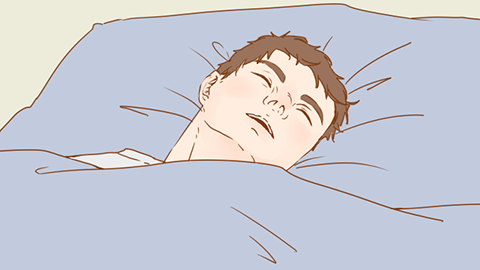
Sleeping at 11 p.m. nightly can lead to noticeable improvements in mental alertness and overall well-being. Going to bed before 11 p.m. ensures sufficient sleep duration, promoting optimal energy and focus the following day. Adequate sleep also strengthens immunity, as it allows the body’s organs to undergo maximal repair and regeneration. This is especially beneficial for individuals with chronic illnesses—consistent, timely sleep provides the body with crucial time to regulate itself, repair damaged cells, and support recovery. Moreover, cellular and organ repair further bolsters immune function, making the body more resistant to infections and less prone to disease—particularly endocrine disorders.
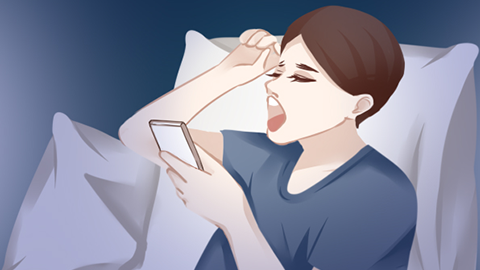
Patients are advised to maintain healthy lifestyle habits, including going to bed early and rising early. We hope this information is helpful to you.