


What does stomach pain from staying up late indicate?
Jun 09, 2022
Source: Cainiu Health

Dr. Zhao Haiming
Introduction
In general, abdominal pain following sleep deprivation may indicate an upper gastrointestinal (GI) ulcer. In addition to abdominal pain, patients with upper GI ulcers often experience heartburn and acid reflux. Some patients may also suffer from constipation or diarrhea. When these symptoms occur, patients should promptly seek medical evaluation—such as upper endoscopy—at a hospital to confirm the diagnosis. Furthermore, other potential causes of abdominal pain should also be considered.
In our daily lives—whether reading newspapers or browsing news online—we frequently encounter reports about various acute health conditions triggered by staying up late. Although such incidents are common, some young people dismiss them, believing their youth makes them immune. In reality, chronic sleep deprivation is highly detrimental to health. So, what does abdominal pain after staying up late indicate?
What Causes Abdominal Pain After Staying Up Late?
Abdominal pain following sleep deprivation is commonly associated with upper gastrointestinal (GI) ulcers. Besides abdominal pain, patients with upper GI ulcers often experience heartburn and acid reflux. Some may also suffer from constipation or diarrhea. When these symptoms arise, individuals should promptly seek medical evaluation—including gastroscopy—to confirm the diagnosis. Additionally, other potential causes of abdominal pain must be considered. While the underlying condition itself (e.g., pancreatitis, cholecystitis, or appendicitis) may not be directly caused by staying up late, sleep deprivation can act as a triggering factor. Patients diagnosed with upper GI ulcers should receive treatment under medical supervision; commonly prescribed medications include cimetidine and omeprazole.

Staying up late is an extremely unhealthy lifestyle habit that may provoke physiological stress responses. These stress-related reactions include stress-induced ulcers—such as gastric or duodenal ulcers—as well as acute gastric mucosal lesions. To establish a definitive diagnosis, gastroscopy is essential. Patients should also pay close attention to dietary habits: avoiding strongly irritating foods (e.g., barbecued dishes or hotpot), opting instead for easily digestible, alkaline foods like noodles. Meals should be taken regularly and in moderation to prevent overeating or erratic eating patterns.
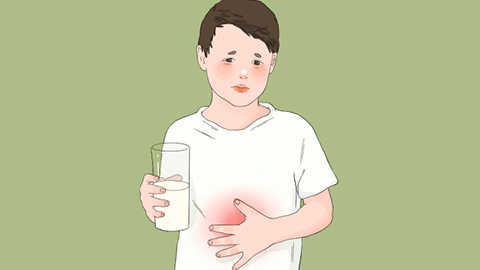
It is recommended to consume more fruits and vegetables rich in nutrients such as vitamin C, and to favor light, palatable meals. Adequate rest is equally important. We hope this information proves helpful to you.





