


What Causes Drooling During Sleep?
Jun 09, 2022
Source: Cainiu Health

Dr. Zhang Liwen
Introduction
Drooling during sleep at night can be caused by oral diseases, spleen-stomach disorders, facial neuritis, neurological regulatory dysfunction, arteriosclerosis, and other conditions. Many people experience drooling while sleeping and often dismiss it as normal, paying no special attention and perceiving no issues. In fact, however, it may indicate an underlying medical condition and therefore warrants attention. Poor oral hygiene creates an environment in the mouth—optimal in both temperature and humidity—for bacterial proliferation.
Everyone naturally produces saliva while sleeping. Generally, this is not taken seriously—it feels normal and raises no concerns. In fact, however, excessive drooling during sleep may indicate an underlying medical condition and thus warrants attention. So, what causes drooling during sleep?
Causes of Drooling During Sleep
Drooling during sleep may result from oral diseases, disorders of the spleen and stomach, facial neuritis, neurological regulatory dysfunction, or arteriosclerosis. Although many people experience mild drooling while sleeping—and often dismiss it as normal—this symptom can sometimes signal an underlying health issue that requires medical evaluation.
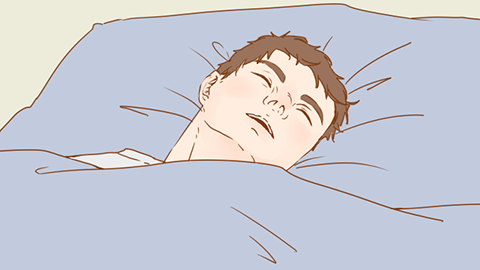
Poor oral hygiene creates an ideal warm, moist environment in the mouth for bacterial growth. Accumulation of food debris or sugars between teeth and on tooth surfaces increases the risk of dental caries and periodontal disease. These conditions can irritate the oral tissues and trigger drooling during sleep. Malocclusion of the front teeth—often caused by genetic factors or acquired habits such as nail-biting, tongue-thrusting, or pencil-chewing—can also contribute to drooling while sleeping.

Preventive and therapeutic measures begin with maintaining good oral hygiene: brush teeth twice daily (morning and night) and rinse the mouth after meals. Consult a dentist for proper diagnosis and treatment; professional scaling (cleaning) to remove dental calculus is recommended. Additionally, supplementation with vitamins C and B₂—as well as other prescribed medications—may help resolve gingivitis and reduce irritating stimuli. We hope this information is helpful to you.



