


Why Does a Two-Month-Old Baby Drool?
Jun 10, 2022
Source: Cainiu Health

Dr. Xie Zixing
Introduction
Drooling in a 2-month-old baby may be a normal physiological phenomenon. At this age, infants have shallow oral cavities that are still developing, resulting in relatively limited capacity; thus, drooling is common and typically occurs without other clinical symptoms, requiring no specific treatment. However, routine care should be maintained to prevent drool rash. If a 2-month-old infant exhibits drooling accompanied by other symptoms, further evaluation is warranted.
In daily life, some parents notice that their babies drool more frequently. This phenomenon often causes significant psychological distress for parents, who worry whether something might be wrong with their child. So, what causes drooling in a 2-month-old baby?
What Causes Drooling in a 2-Month-Old Baby?
Drooling in a 2-month-old baby may represent a normal physiological phenomenon. At this age, an infant’s oral cavity is relatively shallow and still undergoing development; its capacity is comparatively small, making drooling common. Typically, no other clinical symptoms accompany this drooling, and no specific treatment is required. However, proper daily care should be maintained to prevent drool rash (also known as perioral dermatitis). If drooling in a 2-month-old baby is accompanied by additional symptoms—such as excessive crying, lethargy, or poor feeding—these may indicate underlying oral conditions, including gingivitis or oral ulcers. In such cases, the infant should be taken to a healthcare provider for a thorough evaluation and targeted treatment once the cause has been identified.
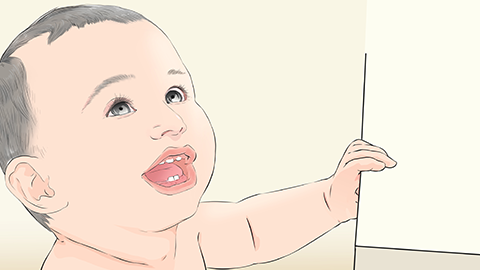
The primary reason for infant drooling is the onset of salivary gland development, leading to increased saliva production. However, infants’ oral swallowing function is not yet fully matured. Their shallow oral cavity cannot adequately manage excess saliva, resulting in drooling. As the baby grows older and the oral cavity deepens, infants gradually learn to swallow saliva effectively, and drooling naturally subsides. Therefore, drooling in a 2-month-old baby is generally considered a normal physiological occurrence. Parents should monitor drooling closely to prevent localized skin rashes around the mouth. If the baby exhibits additional symptoms, other pathological causes of drooling must be ruled out. Pathological drooling may occur in association with oral inflammation, upper respiratory tract infections, or neurological disorders.
When a baby begins drooling, parents need not become overly anxious. However, if drooling persists or is associated with other concerning symptoms, prompt medical evaluation is recommended. We hope this information proves helpful.






