How to Treat Postpartum Rheumatism
Jun 10, 2022
Source: Cainiu Health

Dr. Liu Aihua
Introduction
Patients with postpartum rheumatism require comprehensive treatment involving lifestyle modifications, physical therapy, and pharmacotherapy. First, adjustments to the mother’s living environment are essential—she must stay warm and avoid direct exposure to fans, as such exposure may exacerbate rheumatic symptoms. Second, physical therapies—including physiotherapy, massage therapy, and acupuncture—should be administered.
Postpartum rheumatism is a relatively common condition in obstetrics and gynecology, and its incidence has been notably high in recent years. Suffering from postpartum rheumatism poses significant health risks and can adversely affect both physical well-being and quality of life. So, how is postpartum rheumatism treated?
How to Treat Postpartum Rheumatism
Patients with postpartum rheumatism require comprehensive management involving lifestyle modifications, physical therapy, and pharmacological treatment. First, it is essential to optimize the new mother’s living environment—particularly by ensuring adequate warmth and avoiding direct exposure to fans or drafts, as these may exacerbate rheumatic symptoms. Second, physical therapies—including physiotherapy, massage, and acupuncture—can be beneficial. Additionally, if symptoms are severe, patients should seek medical evaluation at a hospital for routine blood tests, specific rheumatologic assessments, and imaging studies (e.g., X-rays) as needed. Treatment plans are then tailored according to diagnostic findings and disease severity. In certain cases, penicillin antibiotics may be prescribed. For significant joint pain, nonsteroidal anti-inflammatory drugs (NSAIDs) are commonly used; corticosteroids may also be considered when clinically indicated.
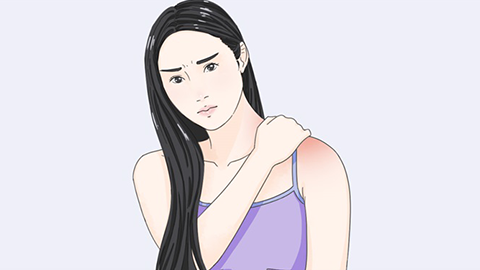
In daily life, patients with postpartum rheumatism should focus on holistic self-care, especially regarding dietary restrictions. Consume easily digestible, nutrient-rich foods such as carrots, tomatoes, celery, bananas, and apples. Avoid spicy and greasy foods—including fatty meats, scallions, ginger, and pepper—and maintain adequate hydration by drinking plenty of water. Meals should be eaten slowly and thoroughly chewed, with three regular meals per day. Cooking should involve minimal salt and oil. Furthermore, patients must prioritize rest, maintain emotional well-being, avoid mental stress, monitor body temperature closely, ensure proper warmth and protection against cold, and refrain from contact with cold water.
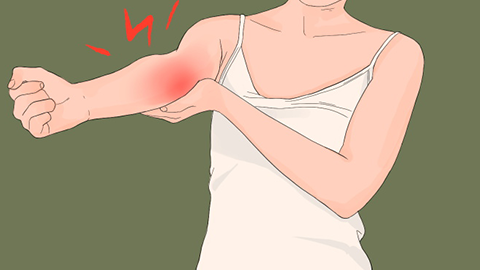
If any adverse symptoms arise, prompt medical consultation is crucial to prevent treatment delays. We hope this information proves helpful to you.