


Does lying in bed with your eyes closed but unable to fall asleep count as staying up late?
Jun 10, 2022
Source: Cainiu Health

Dr. Chen You
Introduction
Staying up late with eyes closed is still considered sleep deprivation—even though the eyes are shut, one remains unable to fall asleep. The brain remains mentally active and fails to relax, and bodily functions are not adequately restored. This condition falls under the categories of sleep disorders and neurasthenia, and oral medication is recommended for relief. Mild cases may be managed with oral sedative and brain-nourishing agents such as Anshen Bunao Liquid, Bailingmin Capsules, Tianmeng Capsules, or vitamin B1 (γ-oryzanol).
When people sleep normally, they typically lie down in bed for a while before closing their eyes and falling asleep. For many individuals with poor psychological resilience, insomnia can be extremely challenging. Since sleep is closely linked to consciousness, those suffering from insomnia often experience significant distress due to difficulty falling or staying asleep. So, does lying in bed with eyes closed but remaining awake count as “staying up late” (i.e., sleep deprivation)?
Does lying in bed with eyes closed but unable to fall asleep count as staying up late?
Lying in bed with eyes closed yet remaining awake is indeed considered a form of sleep deprivation. Although the eyes are closed, the brain remains mentally active and fails to relax; consequently, the body’s physiological functions cannot adequately recover. This condition falls under the categories of sleep disorder and neurasthenia (functional nervous system weakness). Oral medication is recommended to alleviate symptoms. Mild cases may benefit from herbal or nutritional supplements such as Anshen Bunaoye (Sedative and Brain-Nourishing Liquid), Bailuomin Capsules, Tianmeng Capsules, or vitamin B complex (e.g., GABA or inositol-containing preparations like “Gu Wei Su”). If these measures prove ineffective, prescription hypnotics—such as estazolam tablets, alprazolam tablets, bromazepam tablets, or eszopiclone tablets—may be used. However, long-term use is not advised due to the risk of dependence.
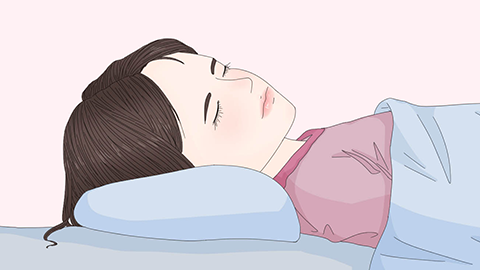
The primary reason people cannot fall asleep despite having their eyes closed is difficulty initiating sleep. In daily life, almost anyone may occasionally find themselves lying awake with eyes closed. Fortunately, simple behavioral strategies can gradually improve this issue. Taking a warm bath before bedtime helps relax both body and mind, preparing one for sleep. Avoid overeating close to bedtime; conversely, going to bed hungry may also hinder sleep—eating a light, easily digestible snack (e.g., fruit) can help settle the stomach and calm overactive nerves, thereby promoting relaxation and facilitating sleep onset. Listening to soothing, familiar music in a quiet, dark environment further enhances the sleep-conducive atmosphere. If prolonged sleep latency persists, short-term pharmacological intervention—including temporary use of hypnotics—may be warranted to restore timely sleep onset.
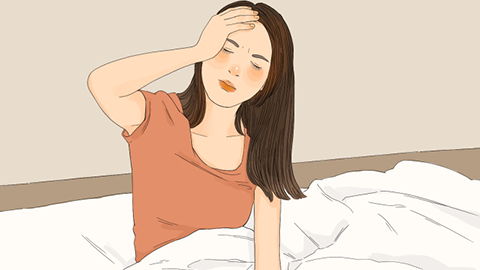
If you remain awake despite closing your eyes, try consciously relaxing and preparing for sleep. Engaging in moderate physical activity earlier in the day can also significantly improve sleep quality. We hope this information proves helpful to you.





