


Can I still receive the pneumococcal vaccine after having had pneumonia?
Jun 10, 2022
Source: Cainiu Health

Dr. Guo Xiheng
Introduction
Individuals who have previously had pneumonia can still receive the pneumococcal vaccine. However, it is recommended to wait at least two weeks after discontinuing medication before receiving the vaccine, rather than administering it immediately. Pneumonia can be caused by numerous pathogens; the pneumococcal vaccine primarily prevents pneumonia caused by *Streptococcus pneumoniae*. This bacterium is the most common cause of pneumonia, and individuals who have recovered from pneumonia remain susceptible to reinfection with *S. pneumoniae*, potentially leading to recurrent pneumonia.
Many children in daily life are prone to illness, especially pneumonia. When affected, children commonly experience symptoms such as fever, cough, and sputum production. To protect their children from the suffering of pneumonia, parents often consider vaccinating them. But a common question arises: Can a child who has already had pneumonia still receive the pneumococcal vaccine?
Can the pneumococcal vaccine be administered after having had pneumonia?
Yes, the pneumococcal vaccine can still be administered after recovery from pneumonia. However, it is recommended to wait at least two weeks after discontinuing antibiotics or other medications before receiving the vaccine—not immediately after recovery. Pneumonia can be caused by numerous pathogens; the pneumococcal vaccine specifically targets infections caused by Streptococcus pneumoniae, the most common bacterial cause of pneumonia. Even after recovering from pneumonia, individuals remain susceptible to reinfection with this bacterium—and thus may develop pneumonia again. Therefore, pneumococcal vaccination is recommended for high-risk groups, including immunocompromised adults, elderly individuals with chronic respiratory diseases, and children experiencing recurrent respiratory infections.
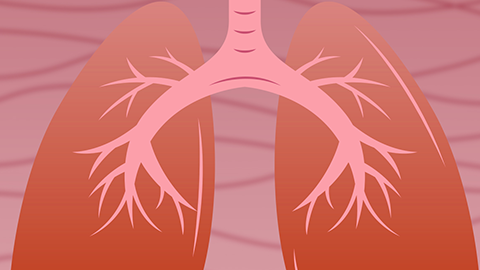
Pneumonia is a common clinical condition with diverse etiologies—typically linked to decreased host immunity and infections caused by viruses, bacteria, mycoplasma, chlamydia, and other pathogens. Although patients may fully recover following active treatment, the resulting immunity is generally weak and short-lived. This is especially true for immunocompromised individuals, who face a high risk of recurrent infection. Consequently, even those who have recovered from pneumonia should still receive the pneumococcal vaccine as part of proactive prevention and immune support.
When receiving the pneumococcal vaccine, precautions include avoiding administration during allergic reactions, colds, fever, or shortly after bathing. Should any unusual symptoms arise post-vaccination, prompt medical consultation is advised. We hope this information proves helpful to you.




