What should I do if I have both myopia and presbyopia?
Jun 29, 2022
Source: Cainiu Health

Dr. Chen You
Introduction
Myopia combined with presbyopia can be corrected through surgery or wearing glasses. Myopia requires corrective lenses or excimer laser surgery, whereas presbyopia results from a decline in the eye’s accommodative ability. With advancing age, even healthy individuals experience a progressive reduction in accommodation. Presbyopia typically begins after age 40, reflecting the gradual and eventual loss of accommodative capacity.
In real life, myopia has become a relatively common condition, causing significant psychological distress to patients and adversely affecting their quality of life. Additionally, presbyopia is another frequent visual impairment. So, what should be done when someone has both myopia and presbyopia?
Management of Myopia Combined with Presbyopia
Myopia combined with presbyopia can be corrected either surgically or with corrective eyewear. Myopia is typically corrected using glasses or refractive surgery such as LASIK. Presbyopia, on the other hand, results from a natural decline in the eye’s accommodative ability—its capacity to focus on near objects. As people age, this accommodative ability progressively diminishes. Presbyopia usually begins after age 40, signaling the onset of declining accommodation; it gradually worsens as accommodation continues to deteriorate. The older the individual, the more severe the loss of accommodative function becomes. Therefore, appropriate corrective measures should be considered.

Presbyopia is a degenerative condition caused by lens hardening, which reduces the eye’s accommodative capacity and consequently impairs near vision. Typically, individuals experience difficulty reading at close range and often hold reading material farther away to achieve clearer vision. Many mistakenly believe that myopic individuals are immune to presbyopia; however, while the degree of myopia may appear to lessen in middle and older age, this does not mean presbyopia is absent—it simply means the two refractive errors partially offset each other.
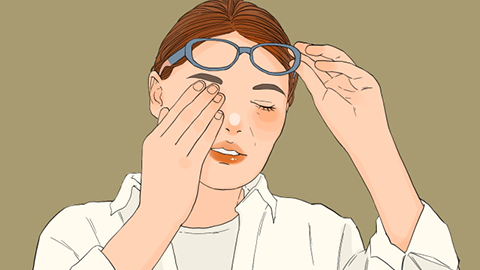
In daily life, patients should maintain a positive mindset, actively cooperate with their physicians during treatment, and pay attention to routine eye care to facilitate prompt improvement of their condition. We hope this information proves helpful.