


What Is the Difference Between Myopia and Astigmatism?
Jun 29, 2022
Source: Cainiu Health

Dr. Chen You
Introduction
The key differences between myopia and astigmatism are primarily reflected in the following aspects:
- In myopia, distance vision is reduced; in astigmatism, visual acuity is reduced at certain angles.
- Astigmatism results from an irregularly shaped cornea, whereas myopia is caused by an elongated anterior-posterior diameter of the eyeball.
- In myopic eyes, incoming light rays focus in front of the retina; in astigmatic eyes, incoming light rays fail to converge at a single focal point.
Many people in daily life suffer from myopia (nearsightedness) and astigmatism. Although these conditions are not life-threatening, they can significantly impair eye health and visual function—and even interfere with normal learning and work activities. For affected individuals, the primary concern is often disease management and visual rehabilitation. So, what are the key differences between myopia and astigmatism?
Key Differences Between Myopia and Astigmatism
The main distinctions between myopia and astigmatism are as follows: In myopia, distance vision is reduced; in astigmatism, vision is blurred at specific angles due to an irregularly shaped cornea. Myopia results from an elongated anterior–posterior diameter of the eyeball, whereas astigmatism arises from corneal (or occasionally lens) surface irregularities. In myopic eyes, incoming light focuses in front of the retina; in astigmatic eyes, light rays fail to converge at a single focal point—instead, they may focus either in front of or directly on the retina, resulting in distorted or blurred vision.

Individuals with myopia and/or astigmatism should pay close attention to proper eye posture during daily activities. For those who frequently use computers, the center of the monitor screen should be aligned horizontally with the chest. Prolonged screen time should be avoided, as it may exacerbate astigmatic symptoms. Instead, regular breaks—such as following the 20-20-20 rule (every 20 minutes, look at something 20 feet away for 20 seconds)—can help preserve and even improve visual comfort and acuity. Patients should also optimize their work environment: lighting should be moderate—not excessively bright or dim—and direct light should be prevented from shining onto the computer screen to minimize glare. Additionally, indoor dust should be cleaned regularly, and windows should be opened frequently to ensure adequate air circulation.
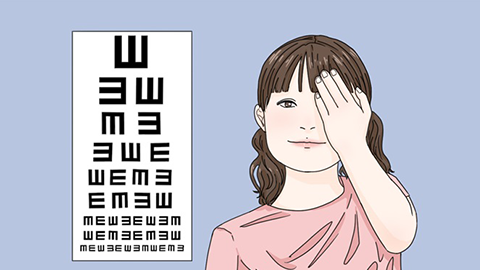
For individuals who spend extended periods using computers, wearing protective eyewear is recommended. Such devices not only reduce potential harm from electronic radiation but also effectively alleviate various adverse symptoms associated with astigmatism. We hope this information is helpful. Wishing you good health and happiness in life!




