


Does filamentary keratitis resolve spontaneously?
Jun 29, 2022
Source: Cainiu Health

Dr. Chen You
Introduction
Filamentary keratitis rarely resolves spontaneously. Its etiology remains unclear but may be associated with dry eye syndrome, viral infection, or bacterial infection. Clinically, it presents with foreign-body sensation, photophobia, epiphora, filamentous strands adherent to the corneal surface, and positive fluorescein sodium staining. Treatment options include ganciclovir ophthalmic gel, bafoshu (sodium hyaluronate) eye drops, and levofloxacin eye drops.
When filamentary keratitis triggers an inflammatory response, it leads to keratitis—a common ophthalmic condition. During active disease, patients may experience eye pain, photophobia, tearing, decreased visual acuity, and blurred vision. However, some individuals, even when experiencing ocular discomfort, fail to pay special attention, mistakenly believing the condition will resolve spontaneously. So, does filamentary keratitis resolve on its own?
Does filamentary keratitis resolve spontaneously?
Filamentary keratitis rarely resolves spontaneously. Its exact etiology remains unclear but is thought to be associated with dry eye syndrome, viral infection, or bacterial infection. Clinically, it presents with foreign-body sensation, photophobia, tearing, filamentous strands adhering to the corneal surface, and positive fluorescein sodium staining. Treatment options include ganciclovir ophthalmic gel, Befoshu (sodium hyaluronate) eye drops, and levofloxacin eye drops. For severe cases, oral traditional Chinese medicine (TCM) is recommended. TCM helps regulate the body’s overall balance, alleviates symptoms, and reduces disease recurrence.
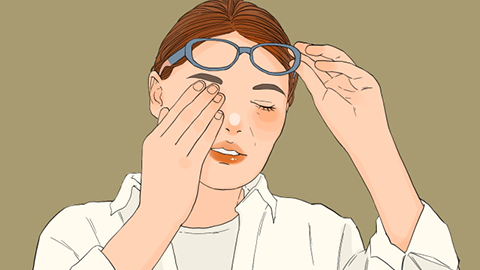
Filamentary keratitis does not heal spontaneously. Its onset is closely linked to viral infection and tends to recur. Patients commonly report foreign-body sensation, conjunctival injection (redness), photophobia, and tearing—symptoms that cause significant discomfort. In such cases, patients should visit a hospital for removal of the filamentous strands under topical anesthesia using fine forceps. Concurrently, they require both corneal-nourishing and reparative eye drops and antiviral medications. Commonly prescribed agents include recombinant bovine basic fibroblast growth factor (bFGF) eye drops, acyclovir eye drops, and ganciclovir ophthalmic gel—ideally administered before bedtime.
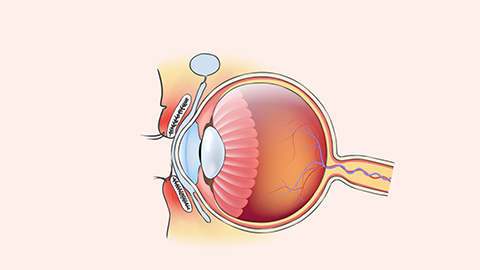
Maintain good ocular hygiene: limit screen time (mobile phones and computers), avoid staying up late, wash hands frequently, and refrain from rubbing your eyes. We hope this information proves helpful.





