


What are the symptoms of astigmatism?
Jun 29, 2022
Source: Cainiu Health

Dr. Chen You
Introduction
Symptoms of astigmatism are closely related to its degree and type. Patients with mild astigmatism typically have normal vision, whereas those with moderate or severe astigmatism experience reduced near and distance vision. Vision is only slightly impaired in simple astigmatism, but significantly decreased in compound and mixed astigmatism. Inadequate correction may lead to amblyopia.
Astigmatism is an abnormal refraction of the eye associated with the curvature of the cornea. It may arise from congenital or acquired factors and can be corrected with lenses or treated surgically. So, what symptoms does astigmatism cause?
Common Symptoms of Astigmatism
Symptoms of astigmatism—including reduced visual acuity—are closely related to both the degree and type of astigmatism. Patients with mild astigmatism typically maintain normal vision, whereas those with moderate or high astigmatism often experience impaired near and distance vision. Simple astigmatism causes only slight visual decline, while compound and mixed astigmatism lead to marked visual impairment. Inadequate correction may result in amblyopia (lazy eye). Visual fatigue arises because the brain must continuously make fine adjustments to interpret blurred retinal images; additionally, objects appear distorted. Consequently, astigmatism—especially hyperopic astigmatism—commonly causes visual fatigue, manifesting as eye pain and excessive tearing. Individuals with highly asymmetric astigmatism between the two eyes may adopt compensatory head tilting to improve clarity, which can induce strabismus (misalignment of the eyes); however, proper correction of astigmatism usually restores normal head posture and ocular alignment.
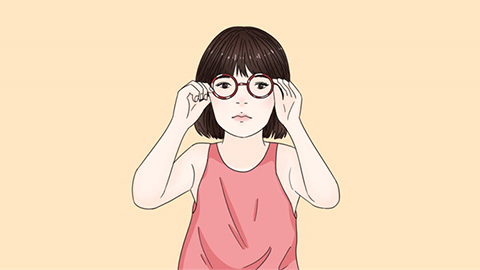
Patients with astigmatism should cultivate healthy ocular habits to prevent eye disorders: sit upright, avoid prolonged visual tasks that cause eye strain, refrain from rubbing the eyes with hands, maintain regular sleep patterns (going to bed early and rising early), avoid staying up late, limit screen time (e.g., smartphones, computers, and televisions), and never read in dim lighting. Reading illumination should be adequate, ideally coming from the left rear side. Pay attention to television placement height—ideally slightly below eye level. When watching TV, maintain a viewing distance equal to 5–7 times the diagonal length of the screen. Astigmatic individuals should also pay closer attention to seasonal changes; failure to keep warm may trigger acute astigmatism.

It is recommended that patients with astigmatism quit smoking, maintain a balanced diet, and avoid spicy or irritating foods. We hope this information proves helpful to you.


