


Can eye patches be used for exposure keratitis?
Jun 29, 2022
Source: Cainiu Health

Dr. Chen You
Introduction
Eye patches are contraindicated in exposure keratitis. Exposure keratitis refers to corneal epithelial injury caused by various pathological changes resulting from incomplete eyelid closure (lagophthalmos), leading to corneal exposure, impaired blinking, and inadequate tear film coverage of the cornea. Treatment of exposure keratitis generally involves both medical and surgical approaches. Medical management typically includes artificial tears, corneal protective eye drops, and ointments.
Corneal exposure is a common ocular condition in daily life. The eyes are vital organs of the human body. In patients with this condition, the corneal epithelium becomes dry and hazy; long-standing cases may develop necrosis, epithelial shedding, and ulceration—posing significant risks to the patient’s vision and ocular health. Early detection and prompt treatment are therefore essential; timely intervention following onset of ocular symptoms is critically important. So, can eye patches be used for exposure keratitis?
Can eye patches be used for exposure keratitis?
No, eye patches should not be used for exposure keratitis. Exposure keratitis refers to corneal epithelial injury caused by incomplete eyelid closure (lagophthalmos), resulting in corneal exposure and impaired blinking, thereby preventing normal tear film coverage and hydration of the cornea. Treatment for exposure keratitis generally involves both pharmacological and surgical approaches. Pharmacological management typically includes artificial tears, corneal protective eye drops and ointments, antibiotics (when infection is present or suspected), and therapeutic contact lenses. Surgical options include amniotic membrane transplantation and tarsorrhaphy (partial or complete eyelid suturing). With comprehensive, individualized treatment, exposure keratitis can be effectively managed and improved.
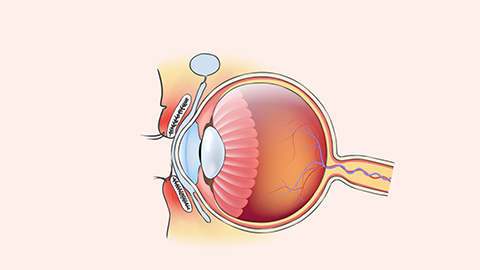
Exposure keratitis is a relatively common condition encountered in daily clinical practice. It arises from loss of eyelid protection, prolonged exposure of the cornea to dry ambient air, and subsequent corneal epithelial desquamation—leading secondarily to corneal inflammation. Additionally, exposure keratitis may occur in patients with deep facial nerve palsy or coma, both of which impair eyelid closure. The primary goals of treatment are to eliminate corneal exposure and to protect and maintain adequate corneal hydration.

In daily life, patients should maintain a positive mindset, actively cooperate with their physicians during treatment, adhere strictly to prescribed medication regimens (both in dosage and timing), and pay close attention to routine ocular care—thus facilitating prompt clinical improvement. We hope this information has been helpful to you.




