


How to Treat Myopic Astigmatism
Jun 29, 2022
Source: Cainiu Health

Dr. Chen You
Introduction
Myopic astigmatism requires different treatment approaches depending on its underlying cause. For patients with regular astigmatism combined with myopia, corrective eyeglasses are an effective option. Irregular astigmatism, however, is difficult to correct with conventional lenses and is typically managed using corneal contact lenses. Patients aged 3 years and older—up to 18 years and beyond—with myopic astigmatism may be candidates for corneal refractive surgery, provided they meet the necessary preoperative evaluation criteria.
Myopia is a common eye condition among children. If detected early, appropriate interventions can help restore normal vision. However, if parents are unaware of this condition, they may fail to seek timely medical care—even when their child exhibits obvious symptoms—potentially causing significant long-term harm to the child’s visual development. So, how is myopic astigmatism treated?
How Is Myopic Astigmatism Treated?
Treatment for myopic astigmatism varies depending on its underlying cause. For patients with regular astigmatism combined with myopia, corrective eyeglasses are typically effective. Irregular astigmatism, however, is difficult to correct with standard lenses and is often managed using rigid gas-permeable or soft toric contact lenses. Children aged three years and older, as well as adolescents and adults up to age 18, may be candidates for corneal refractive surgery—such as excimer laser (LASIK/PRK) or femtosecond laser procedures—if preoperative evaluations confirm suitability. In cases of high myopic astigmatism where corneal refractive surgery is contraindicated, implantable collamer lens (ICL) surgery—a type of phakic intraocular lens implantation—may be considered.
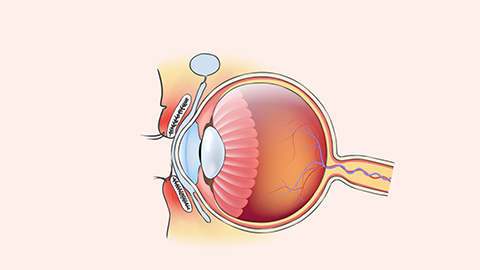
Developing healthy visual habits is the most effective way to prevent or minimize astigmatism progression. First, proper posture is essential. During work or study, individuals should adopt an ergonomically appropriate and comfortable sitting position, with the center of the computer screen or book aligned horizontally with the chest. The distance between the eyes and the screen or book should be maintained at approximately 40 cm, and an adjustable-height chair is strongly recommended.
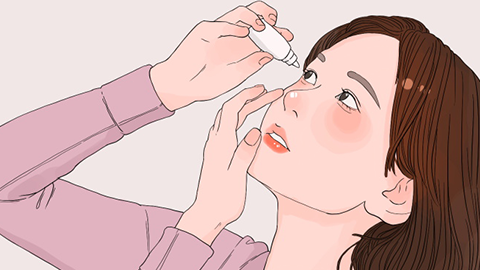
Finally, maintaining good ocular hygiene—especially in children—is critical. Parents should actively guide children in developing sound hygiene practices. We hope this information proves helpful.




