Which Foods Should Be Avoided with Uterine Fibroids?
Jul 03, 2022
Source: Cainiu Health

Dr. Chen Zhe
Introduction
Vitamin K in peanuts has hemostatic properties and can serve as an adjunctive treatment for various bleeding disorders. However, patients with uterine leiomyomas (fibroids) should avoid consuming peanuts, as vitamin K’s hemostatic and coagulant effects may induce intratumoral coagulation within the uterine smooth muscle tumor, leading to ischemic necrosis. Longan fruit possesses qi-tonifying and blood-nourishing effects; nevertheless, it is contraindicated for patients with uterine leiomyomas.
Patients with uterine fibroids can support their treatment through dietary adjustments, which may help inhibit the continued growth of fibroids.
Foods to Avoid for Patients with Uterine Fibroids
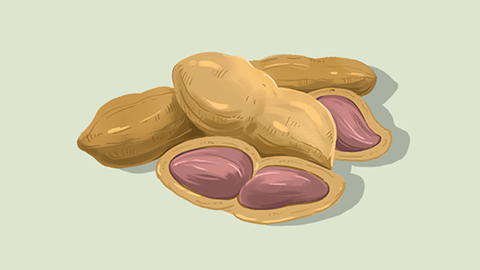
Peanuts contain vitamin K, which has hemostatic properties and can assist in treating various bleeding disorders. However, patients with uterine fibroids should avoid peanuts, as vitamin K’s hemostatic and coagulant effects may cause intratumoral coagulation within uterine leiomyomas, leading to ischemic necrosis. Longan fruit is known for its qi-tonifying and blood-nourishing effects, yet it is contraindicated for uterine fibroid patients. Consumption of longan increases blood flow to the fibroid, thereby providing favorable conditions for tumor growth and accelerating disease progression.
Patients should prioritize fresh, light foods and strictly avoid fried, greasy, canned, or pickled foods—all of which are detrimental to health. Spicy or irritating foods should also be avoided, as excessive intake may stimulate the uterus and exacerbate disease progression. Common examples include chili peppers, green peppers, scallions, and ginger. Since estrogen stimulates the uterus and may trigger fibroid development—and because uterine fibroids are highly sensitive to hormonal fluctuations—patients should also avoid high-fat foods such as shrimp, crab, mutton, and black fish, which may promote estrogen production.
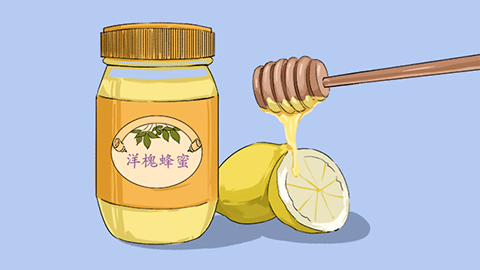
Royal jelly contains estrogen. Given that elevated estrogen levels are closely associated with the pathogenesis of uterine fibroids, patients should avoid royal jelly to prevent excessive hormonal intake. Otherwise, fibroid growth may accelerate and the condition worsen. We hope this article has been helpful. Wishing you a joyful life and good health!