


What vegetables should be eaten for premature ventricular contractions (PVCs)?
Jul 13, 2022
Source: Cainiu Health

Dr. Li Man
Introduction
For patients with cardiac premature contractions, the diet should consist of light, easily digestible foods—such as congee, noodles, rice, milk, eggs, fish, and vegetables and fruits—and avoid greasy or spicy foods. Additionally, avoid overeating, alcohol consumption, and beverages containing strong tea or coffee. Besides dietary considerations, maintaining a positive and relaxed mental state is essential; prolonged stress or anxiety should be avoided, as it may impede recovery.
In real life, excessive mental stress, frequent late-night activity, and an unhealthy diet may contribute to heart disease. If you wish to learn which foods are suitable for individuals experiencing premature ventricular contractions (PVCs)—commonly referred to as “heart palpitations” or “premature beats”—then what vegetables and foods are recommended for PVCs?
What Vegetables and Foods Are Recommended for Premature Ventricular Contractions?
Patients with premature cardiac contractions should consume light, easily digestible foods—such as congee, noodles, rice, milk, eggs, fish, vegetables, and fruits—and avoid greasy or spicy foods. Additionally, avoid overeating, alcohol consumption, strong tea, and coffee. Beyond dietary considerations, maintaining a positive and relaxed mindset is essential. Avoid staying up late and prolonged exposure to tension or stress, as these factors may impede recovery.

Premature ventricular contractions can stem from various underlying heart conditions; however, they may also occur in otherwise healthy individuals. In such cases, the primary cause often involves dysfunction of the autonomic nervous system regulating cardiovascular function—for instance, abnormalities in neural regulation. Factors such as chronic sleep deprivation, excessive physical or mental fatigue, severe tension, or heightened anxiety may impair cardiovascular regulatory capacity, potentially triggering premature contractions. Avoiding these risk factors often leads to spontaneous resolution of PVCs. However, when PVCs arise from structural (organic) heart disease, targeted treatment addressing the underlying cause is necessary and effective.
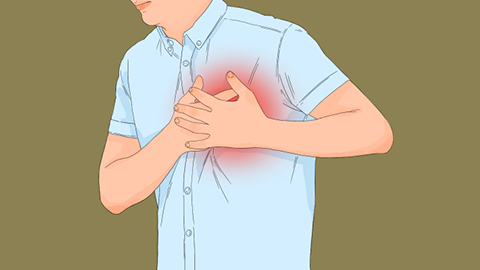
In daily life, ensure adequate rest and limit strenuous physical activity. We hope this information proves helpful. Wishing you good health and a cheerful disposition!






