


Foods to Avoid with Hypotension
Jul 13, 2022
Source: Cainiu Health

Dr. Li Man
Introduction
Hypotension is categorized into acute and chronic forms. Acute hypotension is typically caused by critical illnesses that impair normal dietary intake. The notion that “hypotension prohibits eating” commonly arises in clinical settings when patients are in a hypotensive state. Generally, individuals with hypotension are advised to follow a high-salt or relatively high-fat diet; therefore, excessive restriction of dietary salt intake should be approached with caution in such patients.
Frequent late-night activity and an unbalanced diet may contribute to hypotension. So, what foods should individuals with hypotension avoid?
Foods to Avoid with Hypotension
Hypotension is classified into acute and chronic forms. Acute hypotension typically results from critical illnesses, during which normal dietary intake may be impossible. The notion of “foods to avoid” in hypotension generally applies to individuals experiencing chronic or persistent low blood pressure. Patients with hypotension are usually advised to follow a relatively high-salt or moderately high-fat diet; therefore, excessively restrictive low-salt diets should be approached with caution.
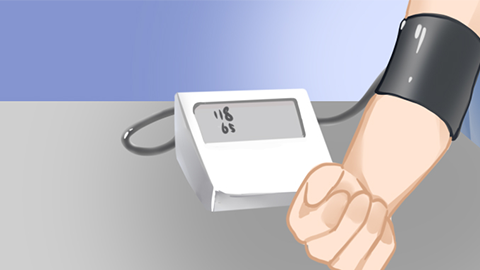
Physiological hypotension refers to cases where otherwise healthy individuals have blood pressure readings meeting the diagnostic criteria for hypotension but exhibit no symptoms. Long-term follow-up reveals no signs of ischemia or hypoxia in any organ system, and life expectancy remains unaffected—thus, no specific treatment is required. Regular blood pressure monitoring is recommended. In contrast, pathological hypotension arises secondary to underlying diseases. It is commonly observed among frail elderly individuals and women. For such cases, nutritional support and measures to improve circulating blood volume are advisable. Additionally, acute conditions—including massive hemorrhage, acute myocardial infarction, severe trauma, infection, or anaphylaxis—can cause a sudden, marked drop in blood pressure.

In these acute scenarios, prompt medical intervention is essential, including restoration of circulating blood volume. With significant blood loss, timely blood transfusion, vasopressor therapy, and administration of vasoactive agents may be necessary. Moreover, malignant cachectic disorders—including malignancies, other chronic wasting diseases, pulmonary tuberculosis, and malnutrition—may also lead to hypotension. In such instances, emphasis should be placed on nutritional rehabilitation, particularly through high-quality protein intake. We hope this information is helpful. Wishing you good health and a cheerful disposition!




