


Differences Between Osteoporosis and Osteomalacia
Aug 01, 2022
Source: Cainiu Health

Dr. Lin Yunfei
Introduction
Osteoporosis and osteomalacia differ significantly in etiology, affected populations, and prognosis. Osteoporosis is primarily caused by decreased bone mass and deterioration of bone microarchitecture, leading to abnormal absorption of calcium and phosphorus. It predominantly affects the elderly, especially postmenopausal women, and has a relatively high incidence. Currently, there is no particularly effective treatment available.
Osteoporosis is a common pathological condition that causes significant psychological distress to patients and severely impairs quality of life. Therefore, individuals diagnosed with osteoporosis must receive prompt treatment. So, what are the differences between osteoporosis and osteomalacia?
Differences Between Osteoporosis and Osteomalacia
Osteoporosis and osteomalacia differ substantially in etiology, affected populations, and prognosis. Osteoporosis primarily results from reduced bone mass and deterioration of bone microarchitecture, often accompanied by abnormal absorption of calcium and phosphorus. It predominantly affects older adults—especially postmenopausal women—who exhibit a relatively high incidence. While no highly effective cure currently exists, pharmacological and physical therapies can alleviate symptoms and prevent disease progression. In contrast, osteomalacia is mainly caused by systemic calcium deficiency, leading to increased bone fragility and decreased mechanical strength. It most commonly occurs in children and adolescents; with timely and appropriate treatment, full recovery is possible.
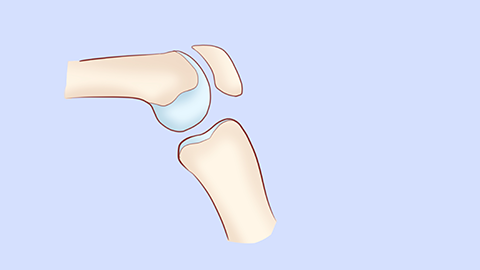
Osteoporosis may cause low back pain, which can radiate to both sides of the spine, severely disrupting patients’ sleep and daily functioning. Reduced bone mineral density increases bone brittleness, rendering patients susceptible to fractures—even from minor trauma. Such fractures not only impair quality of life but also compromise functional independence. Vertebral compression fractures in the thoracic or lumbar spine may lead to kyphosis (hunchback). Severe kyphosis can result in chest deformity, pulmonary infection, and even respiratory failure.
We recommend that patients seek medical attention promptly upon noticing any bodily discomfort. We hope this information has been helpful to you.




