


Biochemical Pregnancy: hCG Value Range
Aug 05, 2022
Source: Cainiu Health

Dr. Chen Zhe
Introduction
In biochemical pregnancy, the serum hCG level is typically below 200 IU/L; therefore, blood hCG testing at a hospital is recommended. Biochemical pregnancy may result from poor gestational sac development, chromosomal abnormalities, environmental factors, or other causes—generally with minimal clinical impact. The primary causes are abnormal embryonic development and chromosomal abnormalities. This phenomenon is relatively common among women undergoing in vitro fertilization (IVF).
Endocrine imbalances and excessive psychological stress may both trigger biochemical pregnancy. So, what is the typical hCG range in biochemical pregnancy?
hCG Range in Biochemical Pregnancy
In biochemical pregnancy, serum hCG levels are generally below 200 IU/L. It is advisable to visit a hospital for blood testing to accurately measure hCG levels. Biochemical pregnancy may result from poor embryonic development, chromosomal abnormalities, or environmental factors; however, it typically has minimal impact on overall health.

The primary causes are impaired embryonic development and chromosomal abnormalities. This phenomenon is relatively common among women undergoing in vitro fertilization (IVF). However, most women do not seek medical evaluation, nor do they consider it significant—often dismissing delayed menstruation as merely a late period. In fact, spontaneous miscarriage has already occurred. Women of childbearing age encountering this situation need not panic; it represents a natural selection process and does not affect subsequent pregnancies. Nevertheless, if biochemical pregnancy recurs repeatedly, further medical evaluation is essential to identify underlying causes and receive targeted treatment, thereby safeguarding future fertility.
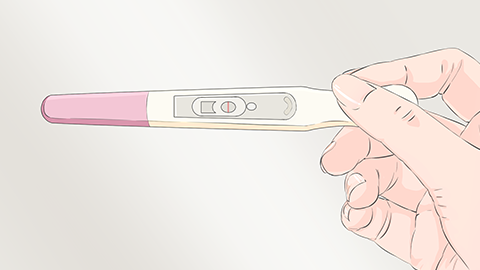
After a biochemical pregnancy, sexual intercourse and tub bathing should be avoided temporarily to prevent bacterial entry via the vagina. The uterus requires time to rest and recover. Wear cotton undergarments daily, change them frequently, bathe regularly, and maintain cleanliness and dryness of the external genitalia. Avoid using vaginal douches or cleansing solutions indiscriminately, as these may disrupt the natural vaginal flora. I hope this information proves helpful. Wishing you good health and peace of mind!








