


Foods to Avoid with Hypotension
Aug 05, 2022
Source: Cainiu Health

Dr. Li Man
Introduction
Patients with hypotension generally have no major dietary restrictions and should aim to maintain a balanced, nutritious diet. In general, spicy and stimulating foods should be avoided. Additionally, foods with blood pressure–lowering effects—such as celery, onions, kelp, mung beans, carrots, hawthorn, and tomatoes—should also be avoided. Conversely, consuming more foods like lean meat, pork liver, and caviar may help improve blood pressure.
Frequent late-night activity and inadequate nutrient intake may lead to hypotension, often accompanied by symptoms such as dizziness and fatigue. Daily dietary adjustments are essential. So, which foods should individuals with hypotension avoid?
Foods to Avoid with Hypotension
Individuals with hypotension generally have no major dietary restrictions but should aim for balanced nutrition. Spicy and highly stimulating foods should be avoided whenever possible. Additionally, foods known to lower blood pressure—such as celery, onions, kelp, mung beans, carrots, hawthorn berries, and tomatoes—should also be limited or avoided. Conversely, consuming more lean meat, pork liver, and caviar may help improve blood pressure. Equally important is maintaining a regular sleep schedule to prevent fatigue. Engaging daily in gentle aerobic activities—such as leisurely walking, slow jogging, cycling, tai chi, or fitness routines—can help alleviate hypotension and enhance the body’s resistance to disease.
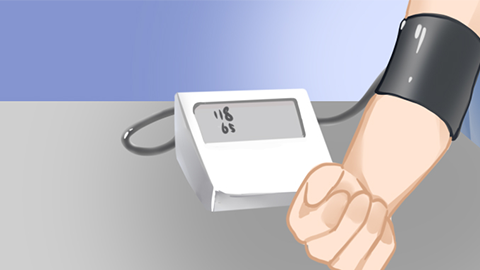
Management of hypotension primarily focuses on dietary modifications, complemented by regular physical activity. Consistent exercise and a structured lifestyle are vital for improving overall physical fitness, enhancing neurovascular regulatory function, and accelerating circulation. Activities such as tai chi, walking, and general fitness training are particularly beneficial for this purpose.

Dietary recommendations for individuals with hypotension include moderate consumption of sodium-rich and cholesterol-rich foods. “Sodium-rich” means relatively higher salt intake, while “cholesterol-rich” foods include pork, bone broth, animal liver, and eggs—all of which contain higher levels of cholesterol and may be consumed in appropriate amounts (though excessive intake should be avoided). I hope this information proves helpful. Wishing you good health and a cheerful disposition!



