


On which side is a woman’s appendix located?
Aug 05, 2022
Source: Cainiu Health

Dr. Zhao Haiming
Introduction
In women without anatomical variations, the appendix is typically located in the right lower quadrant of the abdomen, within the right iliac fossa—approximately at the junction of the lateral and middle thirds of the line connecting the umbilicus to the right anterior superior iliac spine. In female patients with appendicitis, classic migratory pain occurs in the right lower quadrant, with progressively worsening pain localized to this area. Additional symptoms may include fever, nausea, vomiting, and diarrhea.
The appendix occupies an awkward position within the human body—awkward because it is present in everyone yet serves no known physiological function. Its shape resembles that of an earthworm, and its length varies among individuals: some appendices measure only 2 cm, while others may extend over 20 cm. So, on which side does appendicitis occur in women?
Where Does Appendicitis Occur in Women?
In women without anatomical variations, the inflamed appendix is typically located in the right lower quadrant of the abdomen, specifically within the right iliac fossa—approximately at the junction of the outer one-third and middle one-third of an imaginary line drawn from the umbilicus to the right anterior superior iliac spine. When a woman develops appendicitis, she commonly experiences classic migratory pain that begins near the umbilicus and subsequently localizes to the right lower abdomen, where the pain progressively intensifies. Additional symptoms include fever, nausea, vomiting, and diarrhea. Patients often report a distinct sense of urgency, stemming from abdominal infection and exudation due to appendiceal inflammation, leading to localized peritonitis and/or pelvic inflammatory disease. Physical examination reveals a fixed, tender point in the right lower quadrant; the Rovsing sign (positive colon inflation test) and the psoas sign (positive psoas muscle test) are also frequently positive. Appendicitis in women must be carefully differentiated from right adnexitis and ovarian cyst torsion.
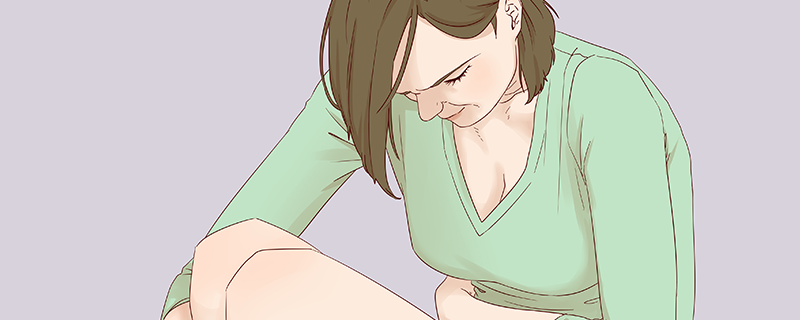
Women can indeed develop appendicitis, and treatment principles are identical to those for men. The most effective treatment remains surgical intervention. However, for patients who wish to avoid surgery—or who are concerned about surgical incisions—and who present with only mild appendicitis symptoms, conservative management may be considered. During conservative treatment, patients should consume primarily liquid or soft foods to prevent symptom exacerbation and undergo regular follow-up examinations. Some patients experience marked symptom improvement with this approach. In contrast, cases of suppurative or gangrenous appendicitis involve more severe systemic infection and pronounced abdominal irritation signs; thus, early surgical intervention is strongly recommended. Both open appendectomy and laparoscopic appendectomy are viable options. Postoperatively, patients require antimicrobial therapy, intravenous fluid resuscitation, and supportive care.

Patients should pay close attention to dietary habits, cultivating healthy eating patterns—avoiding binge eating and maintaining regular, balanced meals. We hope this information proves helpful.






