


How to Treat Insomnia and Night Sweats During Menopause
Aug 08, 2022
Source: Cainiu Health

Dr. He Haochen
Introduction
Menopausal insomnia and night sweats can be treated with medications. If insomnia and night sweats occur during menopause, hormone replacement therapy—such as estrogen supplementation—may be prescribed under a physician’s guidance, along with oral medications like oryzanol to alleviate symptoms. Menopausal women are advised to adjust their mindset, reduce anxiety and stress, and adopt a positive, proactive attitude. Engaging regularly in recreational activities and outdoor exercise—and gradually increasing physical activity intensity—can also help improve insomnia and night sweats.
Menopause is a natural phase that all women must experience, typically marked by the permanent cessation of menstruation. However, distressing menopausal symptoms—such as insomnia and night sweats—can persist for extended periods, potentially leading to a cascade of related health issues. Generally, women undergoing menopause experience varying degrees of insomnia and nocturnal sweating, sometimes even remaining fully awake throughout the night. So, how can insomnia and night sweats during menopause be treated?
How to Treat Insomnia and Night Sweats During Menopause
Insomnia and night sweats associated with menopause can be managed pharmacologically. Under medical supervision, hormone replacement therapy (e.g., estrogen supplementation) and medications such as oryzanol may be prescribed to alleviate these symptoms. Menopausal women are also advised to adjust their mindset, reduce anxiety and stress, and adopt a proactive, positive attitude toward this life transition. Engaging regularly in recreational activities and outdoor exercise—and gradually increasing physical activity intensity—can significantly improve both insomnia and night sweats. Additionally, traditional Chinese medicine (TCM) approaches—including moxibustion, herbal baths, and therapeutic massage—may offer symptomatic relief. Drinking water infused with Schisandra chinensis (Wu Wei Zi) daily is another effective TCM remedy; consistent use often yields noticeable improvements in night sweats and insomnia.
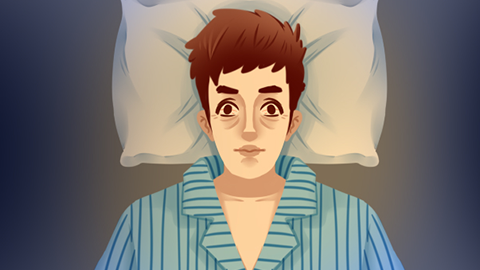
For night sweats during menopause, vitamin B1 and oryzanol may be taken under a physician’s guidance, along with traditional Chinese patent medicines such as Liu Wei Di Huang Wan (Rehmannia Six Formula) and Xiao Yao Wan (Free and Easy Wanderer Pills), which help regulate heat flushes and excessive sweating. For insomnia, sedative-hypnotic drugs should be avoided; instead, Kun Tai Jiao Nang (Kun Tai Capsules) or Huang Lian A Jiao Tang (Coptis and Colla Corii Asini Decoction) are recommended—both demonstrate excellent efficacy in managing menopausal insomnia.
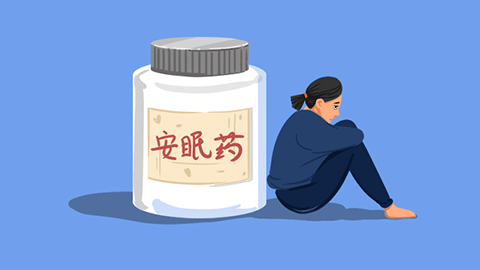
Women in menopause should engage in appropriate daily physical exercise to strengthen their constitution and help prevent insomnia. We hope this information proves helpful to you.





