Hazards of Baby Powder
Aug 11, 2022
Source: Cainiu Health

Dr. Liu Wan
Introduction
Topical application of prickly heat powder may cause local irritation, contact dermatitis, erythema, vesicles, and pruritus. However, it should not be applied to sensitive areas such as the eyes or mouth. Prickly heat powder is contraindicated in the presence of infected exudates on the skin. If erythema and pruritus develop after using prickly heat powder, this indicates an allergic reaction; use should be discontinued immediately, and appropriate anti-allergic treatment initiated.
If a person experiences pruritus (itching) or stinging sensations on the skin, symptoms are typically evident and may exacerbate existing pruritus. Stinging sensations vary in presentation—some appear as red, inflamed areas, while others manifest as pale or whitish patches—both of which can trigger severe pruritus. Infants and children commonly experience such stinging sensations; however, adults may also develop them. So, what are the potential hazards associated with baby powder?
Potential Hazards of Baby Powder
Topical application of baby powder may cause local irritation, contact dermatitis, erythema (redness), vesicles (small blisters), and pruritus. It must not be applied near the eyes, mouth, or other mucosal surfaces. Furthermore, baby powder should not be used on skin with infectious exudates. If erythema or pruritus develops after application, this likely indicates an allergic reaction to the powder; use should be discontinued immediately, and appropriate anti-allergic therapy initiated. Oral antihistamines—such as loratadine, levocetirizine, or ebastine—may be prescribed to alleviate pruritus and allergic symptoms. Topical erythema can be managed with external agents, including zinc oxide ointment or desonide cream.
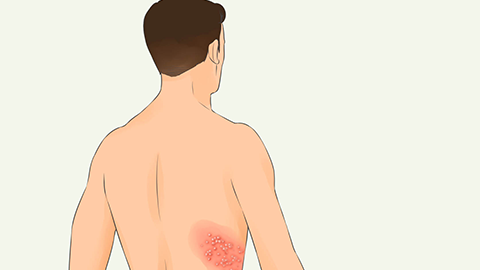
Baby powder is primarily used to absorb sweat and maintain skin dryness, thereby preventing prickly heat (miliaria). It may be safely applied to healthy, uninvolved skin—even in the absence of miliaria. However, it serves only a preventive function and is not intended for therapeutic use. Therefore, when miliaria develops, specialized treatment products designed specifically for its management should be employed. Miliaria arises from prolonged sweat retention and consequent obstruction of eccrine ducts. Effective treatments aim to relieve pain and pruritus, reduce inflammation, exert antimicrobial effects, and inhibit recurrence of miliaria.
Patients are advised to proactively adopt effective therapeutic measures and pay close attention to dietary hygiene to avoid unnecessary complications. We hope this information proves helpful.