What should I do if I feel dizzy and nauseous after swimming?
Aug 14, 2022
Source: Cainiu Health

Dr. Zhao Haiming
Introduction
Appropriate Pre-Swim Nutrition
To avoid dizziness and nausea after swimming, consume a light snack before swimming—such as steamed buns or bananas—to replenish energy and prevent hypoglycemia. However, avoid overeating. Do not swim immediately after a full meal, as this may lead to adverse effects.
Swimming Duration Should Be Moderate
Prolonged swimming depletes substantial energy reserves and increases the risk of hypoglycemia.
Swimming is an excellent form of physical exercise; regular swimming helps strengthen the body and boost immunity. However, some individuals may experience discomfort after swimming—such as dizziness or nausea—which can stem from various causes, including cold shock and hypoglycemia. So, what should you do if you feel dizzy or nauseous after swimming?
What to Do If You Feel Dizzy or Nauseous After Swimming
Eat appropriately before swimming: To help prevent post-swim dizziness or nausea, consume a light snack before entering the water—such as steamed buns or bananas—to replenish energy and avoid hypoglycemia. However, avoid overeating. Never swim immediately after a full meal, as this may lead to adverse effects. Limit swimming duration: Prolonged swimming depletes substantial energy reserves and increases the risk of hypoglycemia. Adjust your swimming time according to your individual physical condition. Change clothes promptly after swimming: Post-swim, capillaries are dilated, making the body more susceptible to colds.
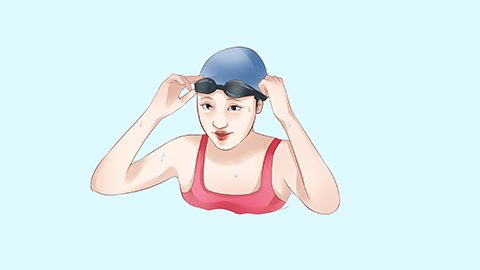
If treatment is required, it should first be guided by identifying the underlying cause. Dizziness and nausea after swimming may be associated with the following scenarios: First, swimming for excessively long periods may compromise blood supply—particularly to the brain and gastrointestinal tract—resulting in cerebral hypoperfusion and gastrointestinal congestion, thereby triggering dizziness and nausea. Second, ambient temperatures may be high while pool water remains relatively cool; sudden or prolonged exposure to cold water can stimulate the body and likewise provoke dizziness and nausea.

Additionally, protective measures should be taken during swimming to prevent water entry into or blockage of the ears. We hope this information proves helpful.