


Can epididymitis affect fertility?
Aug 24, 2022
Source: Cainiu Health

Dr. Li Mingchuan
Introduction
Orchitis does not necessarily affect fertility. Epididymitis may cause localized inflammatory changes in the tail of the epididymis, potentially leading to epididymal obstruction. The testes are the site where sperm mature and acquire motility; thus, untreated orchitis can impair sperm development—resulting in immature sperm that fail to bind effectively with ova and exhibit reduced fertilizing capacity—thereby compromising reproductive function.
Epididymitis is a common male urological condition in clinical practice and significantly impacts men’s quality of life. Does epididymitis affect fertility?
Does epididymitis affect fertility?
Epididymitis does not necessarily impair fertility. However, inflammation of the epididymis may cause localized inflammatory changes—particularly in the tail of the epididymis—potentially leading to obstruction. The epididymis is where sperm mature and acquire motility; thus, untreated or inadequately treated epididymitis can adversely affect sperm development. Immature sperm exhibit reduced ability to bind effectively with ova, resulting in diminished fertilization capacity and compromised reproductive function. Nevertheless, prompt diagnosis and timely administration of appropriate antibiotics—along with adequate rest and supportive care—can effectively resolve epididymitis and preserve fertility.
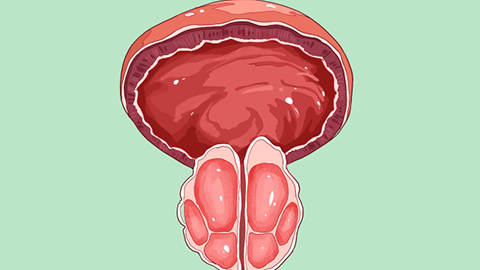
Symptoms of epididymitis include sudden high fever, leukocytosis, scrotal swelling and heaviness on the affected side, lower abdominal and ipsilateral inguinal pain—which worsens with standing or walking. Physical examination reveals swelling and marked tenderness of the affected epididymis. When inflammation spreads extensively, both the epididymis and testicle become swollen, with indistinct boundaries between them—a condition termed epididymo-orchitis. The ipsilateral spermatic cord also appears thickened and tender. In some cases, acute epididymitis fails to resolve completely and progresses to chronic disease, characterized by persistent dull scrotal pain or discomfort, often radiating to the lower abdomen and ipsilateral inguinal region; secondary hydrocele may occasionally develop. On physical examination, the epididymis is typically enlarged and firm, with mild tenderness, and the ipsilateral vas deferens may appear thickened.
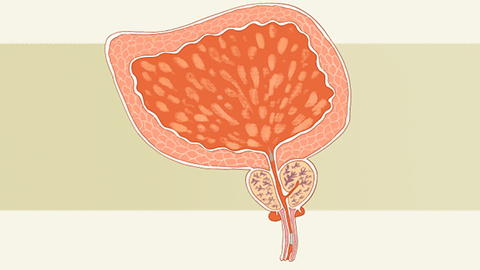
Routine self-care—including maintaining good genital hygiene and engaging in regular physical activity—is essential for preventing such conditions. We hope this information proves helpful to you!







