


What is the normal range for NIBP?
Aug 24, 2022
Source: Cainiu Health

Dr. Li Man
Introduction
NIBP (non-invasive blood pressure) measurement is a noninvasive method for assessing blood pressure—commonly referred to as “routine” or “standard” blood pressure measurement. Blood pressure values vary widely, and normal ranges differ by region and ethnicity. In China, the current diagnostic criteria follow the revised 2010 Guidelines for the Prevention and Treatment of Hypertension: normal blood pressure is defined as systolic pressure <120 mmHg and diastolic pressure ≤80 mmHg.
NIBP stands for non-invasive blood pressure—the same as the commonly referred-to arterial blood pressure, typically measured using an electronic or mercury sphygmomanometer. So, what is the normal range for NIBP?
What is the normal NIBP range?
NIBP is a non-invasive (i.e., routine) method for measuring blood pressure. Blood pressure values vary widely and the “normal” range differs by region and ethnicity. In China, the current standard for evaluating blood pressure follows the revised 2010 Guidelines for the Prevention and Treatment of Hypertension: normal blood pressure is defined as systolic pressure < 120 mmHg and diastolic pressure ≤ 80 mmHg. However, because blood pressure fluctuates in response to multiple factors—including diet, physical activity, and emotional state—a slightly broader range is still considered normal: systolic pressure < 140 mmHg and diastolic pressure < 90 mmHg.

Blood pressure is a pressure measurement, and the standard reference is the brachial artery. For special populations, the left brachial artery may be selected instead. There is no strict lower limit for normal blood pressure; however, to sustain essential physiological functions, systolic pressure generally remains above 80 mmHg and diastolic pressure above 60 mmHg.
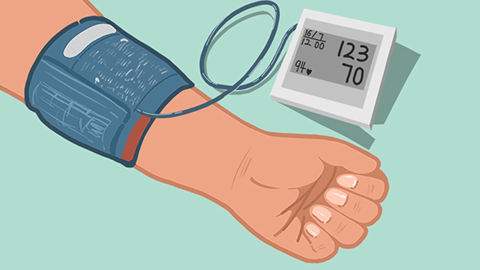
Blood pressure measurement provides indirect insight into several key physiological parameters, including cardiac output, peripheral vascular resistance, circulating blood volume, and arterial wall elasticity. We hope this explanation has been helpful. Wishing you good health and happiness!





