


What causes nausea and retching while brushing teeth?
Aug 24, 2022
Source: Cainiu Health

Dr. Zhao Haiming
Introduction
Nausea and vomiting during toothbrushing may indicate chronic pharyngitis—the most common cause of toothbrushing-induced nausea. Most individuals are not sensitive to mild pharyngeal stimulation during brushing, let alone experiencing nausea or vomiting. Chronic pharyngitis is characterized by pharyngeal hyperemia, edema, thickening of the soft palate, and persistent postnasal drip; patients often experience viscous phlegm secretions deep in the throat, along with dryness, itching, and a foreign-body sensation.
Frequent dry heaving and vomiting can damage the stomach and esophagus, causing physical harm and negatively affecting mood to some extent. Therefore, only by understanding the underlying causes of recurrent dry heaving and vomiting can we effectively alleviate and treat these symptoms. So, what causes nausea and vomiting during toothbrushing?
Why does toothbrushing trigger nausea and dry heaving?
Nausea and vomiting during toothbrushing are often associated with chronic pharyngitis—the most common cause of toothbrushing-induced nausea. Most individuals remain insensitive to mild pharyngeal stimulation during brushing; nausea or vomiting is certainly uncommon. In chronic pharyngitis, however, the pharynx exhibits congestion, edema, thickening of the soft palate, and persistent lymphoid hyperplasia. Patients frequently experience viscous phlegm secretion in the posterior pharynx, accompanied by dryness, itching, and a foreign-body sensation. When the toothbrush and toothpaste stimulate the oral cavity, they may provoke coughing, nausea, and vomiting. Additionally, women commonly experience nausea during pregnancy; if concurrent chronic pharyngitis is present, nausea and vomiting become almost inevitable. Smokers, too, frequently suffer from chronic pharyngitis. Under conditions of pharyngeal discomfort, itching, or a foreign-body sensation, the mechanical and chemical stimulation from brushing and toothpaste can intensify pharyngeal reflexes, triggering coughing, nausea, and vomiting.

Toothpaste itself may also be a contributing factor. Some individuals habitually apply excessive amounts of toothpaste while brushing. The abrasive agents in toothpaste generate abundant foam in the mouth, which can irritate the throat and induce nausea. Moreover, many toothpastes contain additional active ingredients—such as emetics—to discourage accidental ingestion. Certain medicated toothpastes possess strong, pungent flavors and high irritancy, potentially provoking nausea and vomiting. Therefore, selecting a mild, suitable toothpaste is advisable.
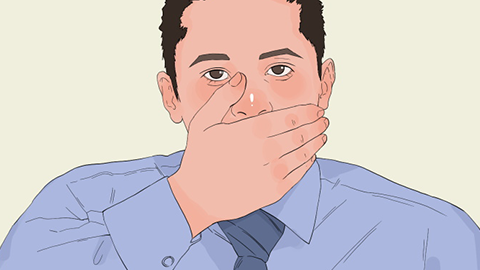
It is recommended to adjust dietary habits: avoid picky eating, consume more fresh vegetables and fruits, maintain adequate intake of essential trace elements, and achieve balanced nutrition. Also, prioritize regular sleep schedules and ensure sufficient rest. We hope this information proves helpful to you.






