


When Do You Start Feeling Nauseous During Pregnancy?
Aug 24, 2022
Source: Cainiu Health

Dr. Chen Zhe
Introduction
At one month of pregnancy, nausea may occur. This is because human chorionic gonadotropin (hCG) levels rise after conception, leading to symptoms such as nausea and vomiting—commonly referred to as “morning sickness.” This is a normal physiological response during early pregnancy. However, morning sickness varies significantly among individuals; some pregnant women experience no symptoms at all, which does not indicate abnormal embryonic development.
You may experience vomiting of acidic fluid, primarily due to hormonal fluctuations and the body’s initial adjustment to pregnancy. Over time, as your body gradually adapts, these symptoms typically subside without issue. The volume of vomitus varies significantly among individuals and is largely determined by personal physiological factors. So, when does nausea typically begin during pregnancy?
When Does Nausea Begin During Pregnancy?
Nausea may appear as early as one month after conception. This is because human chorionic gonadotropin (hCG) levels rise significantly following pregnancy, triggering symptoms such as nausea and vomiting—commonly referred to as “morning sickness” or early pregnancy reactions. These are normal physiological responses occurring in early gestation. Of course, early pregnancy reactions vary widely among individuals; some pregnant women experience no such symptoms at all, which does not indicate abnormal embryonic development. During pregnancy, ensure adequate rest, sufficient sleep, a positive emotional state, and regular prenatal check-ups.
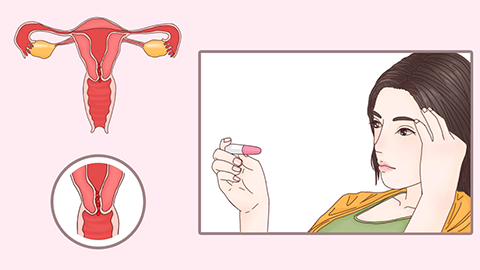
Fertilization occurs in the ampulla of the fallopian tube, where sperm meets the egg to form a zygote. Approximately one week later, the blastocyst implants into the uterine endometrium and begins secreting human chorionic gonadotropin (hCG). Initially, hCG secretion is relatively low, resulting in only trace concentrations in the bloodstream—insufficient to trigger early pregnancy symptoms. Pregnancy can be confirmed via blood tests measuring hCG levels. As gestation progresses, hCG levels rise dramatically—often doubling every 48–72 hours—leading to the onset of early pregnancy symptoms.
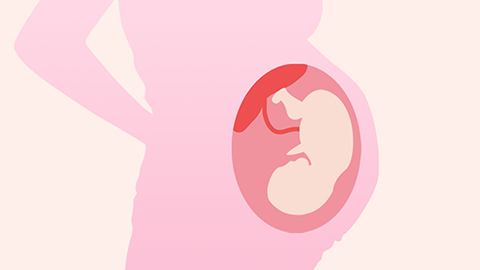
Common early pregnancy symptoms include nausea, vomiting, loss of appetite, generalized fatigue, drowsiness, and, in some cases, heightened sensitivity to cold. We hope this information is helpful to you.





