Symptoms of Obsessive-Compulsive Disorder (OCD)
Aug 24, 2022
Source: Cainiu Health

Dr. Luo Qinghua
Introduction
Symptoms of obsessive-compulsive disorder (OCD) typically involve recurrent, intrusive thoughts or compulsive behaviors—such as excessive handwashing. The etiology of OCD is associated with adverse life events and genetic factors, which may contribute to the development of obsessive thoughts and compulsive urges in patients—for example, persistent doubts about whether doors and windows at home are locked, or intrusive impulses to jump from a balcony. Treatment should be conducted under the guidance of a psychologist.
Many people suffer from obsessive-compulsive disorder (OCD). OCD can significantly impact patients’ daily functioning and quality of life. In some cases, symptoms may progressively worsen, underscoring the importance of early intervention and treatment. In fact, OCD remains poorly understood by the general public—many people are unfamiliar with what it is and what symptoms it entails. So, what are the symptoms of OCD?
Symptoms of Obsessive-Compulsive Disorder
Symptoms of OCD typically involve recurrent, intrusive thoughts (obsessions) and/or repetitive behaviors or mental acts (compulsions), such as excessive handwashing. The disorder’s etiology is multifactorial, involving both environmental stressors—such as adverse life events—and genetic predispositions. These factors may contribute to persistent, distressing obsessions—for example, constant doubt about whether doors or windows are locked, or intrusive impulses to jump from a balcony. Under the guidance of a psychologist, evidence-based psychological interventions—including cognitive-behavioral therapy (CBT) and Morita therapy—can help alleviate symptoms. Additionally, maintaining a light, balanced diet is recommended in daily life.
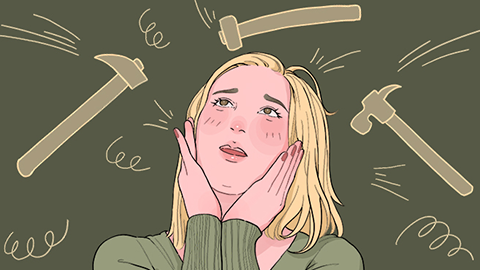
The hallmark of OCD is the presence of obsessions and compulsions characterized by an internal conflict between conscious self-imposed urges (ego-dystonic) and resistance to them. Patients recognize that their thoughts or behaviors are excessive or unreasonable, yet feel unable to control them. Attempts to suppress or resist these impulses often provoke intense anxiety or distress. A diagnosis of OCD is generally considered when such symptoms persist for more than three months. Treatment typically involves pharmacotherapy—often with selective serotonin reuptake inhibitors (SSRIs)—combined with psychotherapy. Transcranial magnetic stimulation (TMS) is also an emerging, non-invasive therapeutic option that patients may consider.

When individuals experience profound inner conflict or emotional turmoil, this may manifest outwardly through obsessive-compulsive symptoms. Early recognition and timely clinical evaluation are therefore essential. We hope this information has been helpful to you.