


Best Methods to Eliminate Bad Breath
Aug 24, 2022
Source: Cainiu Health

Dr. Zhang Liwen
Introduction
Bad breath can be alleviated through lifestyle and dietary modifications, as it significantly impacts daily life. To eliminate bad breath, maintaining optimal oral hygiene is essential: brush your teeth regularly, rinse your mouth after meals, and use dental floss to clean between teeth when food particles are present. During routine toothbrushing, gently clean the tongue’s surface to remove bacterial buildup and maintain fresh breath—be sure to use sufficient water. Additionally, drink plenty of water and consume fresh fruits and vegetables.
Halitosis (bad breath) is actually caused by bacterial growth or the decomposition of food debris in the mouth. Generally, individuals with oral diseases are more prone to halitosis. Additionally, poor digestive function can also contribute to bad breath—making it truly unbearable. So, what is the most effective way to eliminate halitosis?
The Most Effective Ways to Eliminate Halitosis
Halitosis can be alleviated through improvements in daily habits and dietary practices, as it significantly impacts quality of life. The first step in eliminating halitosis is maintaining excellent oral hygiene: brush your teeth regularly, rinse your mouth after meals, and use dental floss to remove food particles trapped between teeth. During routine brushing, don’t forget to gently clean your tongue to remove tongue coating and maintain fresh breath—be sure to use sufficient water. Drink plenty of water and consume fresh fruits and vegetables. Chewing tea leaves (e.g., green or mint tea) can also help retain a pleasant, refreshing taste in the mouth. Furthermore, incorporating foods with heat-clearing and detoxifying properties into your diet may effectively address halitosis.
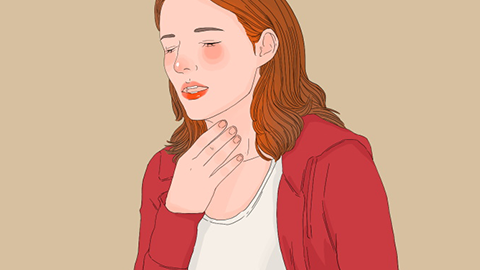
Unhealthy personal habits—such as long-term smoking, frequent snacking, and inconsistent toothbrushing and mouth rinsing—can lead to substantial tartar buildup, thereby altering the oral environment and causing sour, foul-smelling breath. Beyond these factors, patients with diabetes, lung abscesses, uremia, or age-related salivary gland dysfunction commonly experience varying degrees of halitosis. Moreover, prolonged use of sedatives or atropine—which reduce salivary secretion—can also induce halitosis.
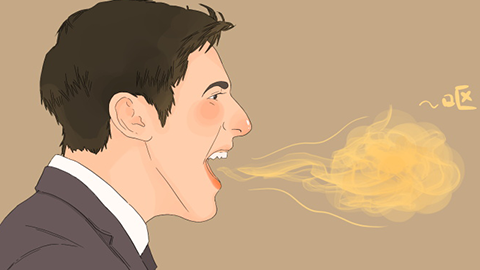
In daily life, opt for light, mild meals and minimize intake of spicy or irritating foods to prevent gastrointestinal discomfort or internal “heat” (a traditional Chinese medicine concept), both of which may trigger halitosis. We hope this information proves helpful to you.





