


What should I do about synovitis?
Aug 24, 2022
Source: Cainiu Health

Dr. Lin Yunfei
Introduction
Synovitis of the joints can be effectively managed through appropriate physical exercise. Although prolonged, high-intensity exercise should be avoided, patients must not remain completely sedentary. On the contrary, engaging in moderate, low-impact physical activities provides valuable supportive benefits in treating synovitis. This is because the bones, joints, and cartilage in the human body derive their nutrition from synovial fluid, which readily penetrates the cartilage with only gentle compression.
Synovitis is a symptomatic condition primarily triggered by various factors—including trauma, rheumatoid arthritis, tuberculosis, and gout—that lead to sterile inflammation of the synovial membrane. Clinical manifestations commonly include synovial hyperemia, edema, inflammatory exudate, and joint effusion. So, what should one do when diagnosed with synovitis?
How to Manage Joint Synovitis
Appropriate physical exercise can serve as an effective adjunctive therapy for joint synovitis. While prolonged or intense physical activity should be avoided, complete inactivity is also detrimental. Instead, engaging in gentle, low-impact exercises significantly supports synovitis management. This is because nutrients essential for bones, joints, and cartilage are delivered via synovial fluid; even slight joint movement facilitates the smooth diffusion of synovial fluid into cartilage. Prolonged immobility impedes synovial fluid circulation, thereby slowing recovery.
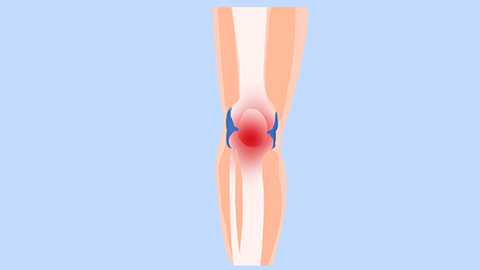
Moreover, maintaining a positive and open mindset is equally important. Concurrently, actively cooperating with healthcare providers during clinical treatment substantially improves therapeutic outcomes. In fact, synovitis is generally highly treatable; therefore, patients should remain psychologically relaxed—avoiding excessive anxiety, unwarranted worry, or catastrophic thinking about disease progression. Nutritionally, maintain balanced meals three times daily: avoid under-eating, as well as prolonged consumption of greasy or spicy foods.
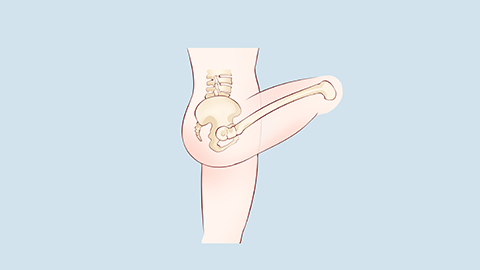
In daily life, adhere to a disciplined diet—refrain from consuming spicy or irritating foods, avoid binge eating, and ensure adequate sleep by eliminating late-night activities. We hope this information proves helpful.





