


How to Cure Ankle Synovitis
Aug 24, 2022
Source: Cainiu Health

Dr. Lin Yunfei
Introduction
Treatment of ankle synovitis includes pharmacological therapy, rehabilitation therapy, and surgical intervention. Pharmacological therapy primarily involves nonsteroidal anti-inflammatory drugs (NSAIDs) and local anti-inflammatory analgesics. During the acute phase, the main objectives are pain relief, reduction of swelling, and improvement of ankle joint function. If pain is severe, patients are advised to rest in bed or ambulate with crutches, avoiding weight-bearing on the affected limb.
Heat application can effectively alleviate synovitis, offering notable therapeutic benefits. Patients may use a hot water bottle or warm towel for heat therapy; however, care must be taken to ensure the temperature is not excessively high to avoid skin burns. Additionally, patients may take oral synovitis tablets, which are highly effective in reducing pain. So, how is ankle synovitis treated?
How Is Ankle Synovitis Treated?
Treatment of ankle synovitis encompasses pharmacotherapy, rehabilitation therapy, and surgical intervention. Pharmacotherapy primarily involves nonsteroidal anti-inflammatory drugs (NSAIDs) and topical anti-inflammatory analgesics. During the acute phase, the main goals are pain relief, reduction of swelling, and improvement of ankle joint function. If pain is severe, patients are advised to rest in bed or walk with crutches, avoiding weight-bearing on the affected limb. Under expert guidance, ankle rehabilitation exercises should be performed to prevent atrophy of the calf muscles. In cases of pronounced ankle swelling, joint aspiration—puncturing the ankle to drain excess synovial fluid—may be attempted to reduce intra-articular pressure.
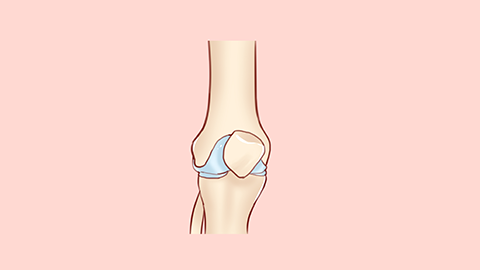
Celecoxib, etoricoxib, loxoprofen, and other NSAIDs are the most commonly prescribed medications; however, their gastrointestinal adverse effects warrant close attention. Immunosuppressants may be used for rheumatoid synovitis, while gout-induced ankle synovitis requires targeted treatment of the underlying gout. If symptoms persist despite conservative management for over two months, surgical intervention should be considered.
In daily life, patients should maintain a positive mindset, actively cooperate with physicians during treatment, adhere strictly to prescribed medication regimens (both dosage and timing), and pay close attention to routine self-care—thereby facilitating prompt clinical improvement. We hope this response proves helpful to you.




