


What should I do if my oral saliva is thick and stringy?
Sep 13, 2022
Source: Cainiu Health

Dr. Guo Xiheng
Introduction
If swallowing is difficult, artificial saliva may be used. If swallowing remains relatively normal, it is recommended to consult a qualified Traditional Chinese Medicine (TCM) practitioner at a reputable hospital’s TCM department or a large-scale TCM hospital for evaluation and treatment. Medications that promote salivary secretion and relieve thirst may be prescribed. Such herbal medicines can stimulate the salivary glands to produce more saliva; increased saliva production helps reduce the thick, stringy consistency often experienced.
Many people may not consider thick, sticky saliva in the mouth to be a serious issue, but it often serves as a warning sign for our health. So, what should you do if your oral saliva is thick and stringy?
What to do about thick, stringy saliva in the mouth
If swallowing is difficult, artificial saliva products may help. If swallowing is still manageable, it's recommended to visit the Traditional Chinese Medicine (TCM) department at a reputable hospital or a large TCM hospital to consult a qualified TCM practitioner for proper evaluation and treatment. Medications that promote fluid production and relieve thirst can be helpful. Taking such herbal medicines can stimulate the salivary glands to produce more saliva. With increased saliva, it will become less sticky and stop forming strings.
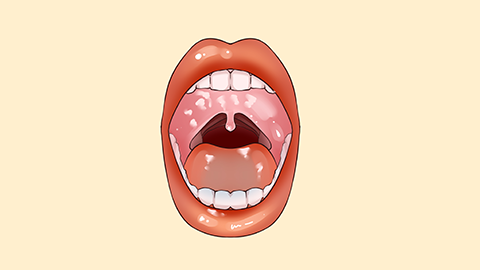
This approach works well for temporary conditions. However, in older individuals—especially middle-aged women—reduced saliva production is common and often related to decreased estrogen levels. Postmenopausal women are particularly prone to this condition. In such cases, it may be worth discussing with a doctor whether estrogen supplements could help, as increasing estrogen levels might enhance saliva secretion. Additionally, consider visiting a rheumatology and immunology clinic to rule out Sjögren's syndrome. If diagnosed, immunotherapy may be necessary.
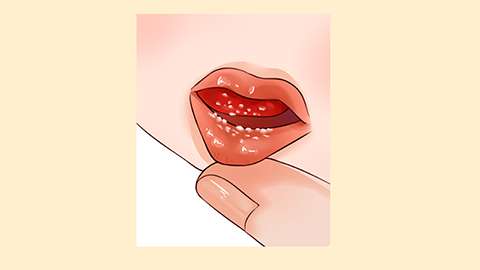
Thick saliva may also result from pharyngitis-induced oral inflammation. Pay attention to eating more fruits and vegetables. Liver fire and poor digestion may contribute to this symptom. Maintain good oral hygiene, drink millet porridge to support stomach health, and avoid spicy, irritating foods such as scallions, ginger, and garlic. We hope this answer helps you. Wishing you good health and happiness!




