


What are the oral antibiotics?
Sep 13, 2022
Source: Cainiu Health

Dr. Zhao Haiming
Introduction
There are many types of oral antibiotics, available in various formulations such as regular tablets, capsules, oral liquids, pills, granules, and oral powders. Examples include macrolides like erythromycin enteric-coated tablets, roxithromycin capsules, acetylspiramycin tablets, and azithromycin dispersible tablets. Other examples are β-lactam antibiotics, cefixime chewable tablets, and amoxicillin-clavulanate potassium capsules.
In daily life, antibiotics are very common. Antibiotics are secondary metabolites produced by microorganisms, higher animals, and plants during their life processes that have anti-pathogen properties, and they come in many different types. What are the oral antibiotics available?
What Are Oral Antibiotics?
There are numerous types of oral antibiotics, available in various formulations such as regular tablets, capsules, oral liquids, pills, granules, and oral powders. Examples include macrolides like erythromycin enteric-coated tablets, roxithromycin capsules, acetylspiramycin tablets, and azithromycin dispersible tablets; β-lactam antibiotics such as cefixime chewable tablets and amoxicillin-clavulanate potassium capsules; tetracyclines like doxycycline capsules; aminoglycosides such as gentamicin sulfate hydrochloride granules; and quinolones like levofloxacin hydrochloride, among others.
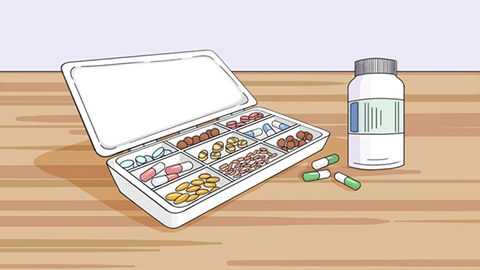
The primary function of antibiotics is to combat bacterial infections. In short, antibiotics can kill or inhibit pathogenic bacteria that invade the body, effectively control infections, and ultimately help the body recover and regain health. Although there are many types of antibiotics that primarily target pathogens within the body, they may also cause adverse reactions of varying degrees. The main mechanisms of antibiotic action include interfering with bacterial cell wall synthesis, damaging bacterial cell membranes, disrupting bacterial protein synthesis, inhibiting bacterial nucleic acid metabolism, and suppressing bacterial folic acid metabolism.

Antibiotics are prescription medications and must be taken strictly according to medical instructions—never misused or abused. Improper use, including incorrect selection, dosage, or duration of antibiotics, can cause irreversible harm to the body, especially damage to the liver, kidneys, and auditory nerves. We hope this answer has been helpful to you. Wishing you good health and happiness!







