


What is the difference between gastroenteritis and enterogastritis?
Sep 13, 2022
Source: Cainiu Health

Dr. Zhao Haiming
Introduction
In general, gastroenteritis is closely related to gastritis and enteritis, and can be considered essentially the same condition; however, gastroenteritis and gastritis/enteritis emphasize different affected areas. When the condition centers on gastritis accompanied by enteritis, it is called gastroenteritis. If both enteritis and gastritis are present, it is referred to as gastroenteritis. The typical diagnosis of gastroenteritis mainly presents with abdominal pain, nausea, and vomiting. The characteristic feature of gastroenteritis is diarrhea.
Most people have some understanding of gastritis. Now that summer has arrived, those who have previously suffered from gastritis know how uncomfortable this condition can be when it flares up. As parents, we must clearly understand the causes and prevention of this illness. So, what is the difference between gastroenteritis and enterogastric inflammation?
What Is the Difference Between Gastroenteritis and Enterogastric Inflammation?
Generally speaking, gastroenteritis and enterogastric inflammation are closely related and can essentially be considered the same condition, although they emphasize different affected areas. When the inflammation centers on gastritis accompanied by enteritis, it is called enterogastric inflammation. If both enteritis and gastritis are present, it is referred to as gastroenteritis. The typical diagnosis of enterogastric inflammation mainly presents with abdominal pain, nausea, and vomiting. Gastroenteritis is characterized by diarrhea and abdominal pain, sometimes accompanied by changes in stool characteristics. Overall, however, both conditions involve inflammation of the digestive tract.

Patients with enterogastric inflammation suffer from hemorrhagic lesions or infectious inflammation of the gastrointestinal mucosa. Generally, this phenomenon is caused by inflammation of the gastric or intestinal mucosa, and symptoms are usually obvious. Many patients experience nausea, vomiting, and diarrhea, and may also develop spasmodic abdominal pain. Some patients may even develop fever and excessive sweating. Therefore, proper management is necessary—patients should visit a reputable hospital for examination and treatment, and use medications to relieve symptoms.
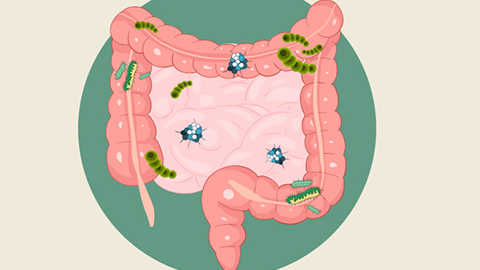
Enterogastric inflammation is also a common disease, typically caused by improper diet. Especially during summer, frequently consuming raw fruits and melons may lead to gastrointestinal dysfunction, or bacterial toxins and other components may damage the gastric mucosa. In such cases, symptoms of enterogastric inflammation may be triggered. Hence, this condition should not be taken lightly. People should ensure adequate rest and pay close attention to dietary regulation. We hope this information is helpful to you. Wishing you good health and a happy life.




