


Nausea at night during early pregnancy
Sep 13, 2022
Source: Cainiu Health

Dr. Lv Aiming
Introduction
Nighttime nausea during early pregnancy is a common symptom experienced by many women in the initial stages of pregnancy. The primary cause of early pregnancy reactions is the increased level of human chorionic gonadotropin (hCG) in pregnant women. Additionally, these symptoms are also related to poor rest, suboptimal mental state, and weak physical condition. Typically, early pregnancy symptoms begin to appear after about one month of pregnancy.
If nausea and vomiting occur, pregnant women need to gradually adapt and alleviate these symptoms. In terms of diet, they should not fast or eat less to relieve vomiting. Instead, they should consume more easily digestible foods and take adequate vitamins to maintain health and reduce nausea. So, why do some women feel nauseous every night during early pregnancy?
Nighttime Nausea During Early Pregnancy
Nighttime nausea in early pregnancy is a common early sign of pregnancy, experienced by many women. The main cause of morning sickness is the increased level of human chorionic gonadotropin (hCG) in pregnant women. It can also be related to poor rest, stress, and overall physical condition. Typically, pregnancy-related nausea begins to appear after about one month of pregnancy and gradually subsides around two and a half months later. Therefore, special treatment is usually unnecessary, and normal morning sickness does not affect fetal development. It is recommended that pregnant women get sufficient rest, eat light meals, and ensure adequate sleep during early pregnancy.
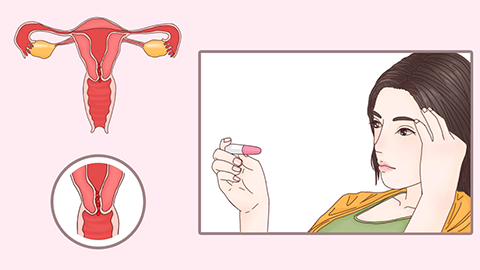
During early pregnancy, symptoms such as nausea, vomiting, fatigue, drowsiness, breast tenderness, loss of appetite, and aversion to greasy food are all normal reactions, for which there is no specific medication. If you can eat despite feeling nauseous, this is considered a normal response. Focus on eating light meals, have small frequent meals, go for a walk after eating to aid digestion, and try to eat porridge and vegetables for dinner.
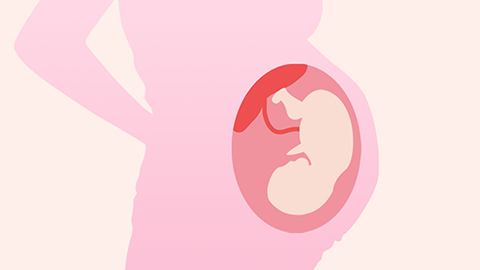
Some people feel nauseous in the morning. Discomfort may occur when brushing teeth or exercising. As long as they can eat without immediate vomiting and can drink water, this indicates a normal reaction. Generally, these symptoms will gradually improve on their own after three months of pregnancy. We hope this answer helps you. Wishing you good health and a happy life.



