The difference between age spots and flat warts
Sep 13, 2022
Source: Cainiu Health

Dr. Liu Wan
Introduction
Flat warts are a viral skin disease caused by HPV infection, while age spots are brown patches that occur on the skin of elderly individuals. Flat warts are so named because they primarily affect adolescents. Clinically, they present as light brown, flat-topped papules with smooth surfaces, slightly elevated above the skin. They range in size from millet to green pea-sized, and are round or polygonal in shape, appearing scattered across the skin.
In daily life, senile warts and flat warts are both skin conditions and common diseases that most people will encounter. They may appear individually or simultaneously, which often leads to confusion between the two. In fact, there are relatively significant differences between them. However, both fall under common skin issues in older adults and require more attention in daily care. So what are the differences between senile warts and flat warts?
Differences Between Senile Warts and Flat Warts
Flat warts are a viral skin disease caused by HPV infection, while senile warts (also known as seborrheic keratosis) are brown patches that develop on the skin of elderly individuals. Flat warts are so named because they primarily affect adolescents. Clinically, they present as light brown, flat-topped papules with smooth surfaces, slightly elevated above the skin. They range in size from millet grain to mung bean-sized, and are round or polygonal in shape, usually scattered across the skin. They commonly occur on exposed and vulnerable areas such as the face and the back of the hands.
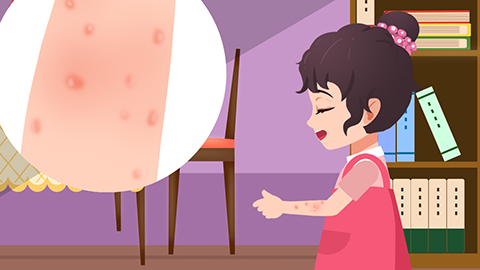
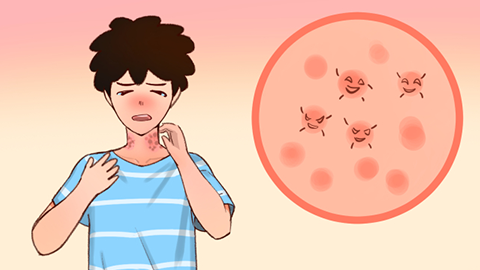
Senile warts are caused by skin aging due to sun exposure. This is a benign skin proliferative condition, typically appearing on seborrheic areas such as the face, forehead, neck, chest, and back. Initially, they manifest as one or more yellowish-brown macules or flat papules, which gradually darken to deep brown. The lesions increase in thickness, developing a papillomatous appearance with a surface covered in greasy crusts, and may be accompanied by follicular occlusion or peeling.
In daily life, it's important to maintain a regulated diet—avoid spicy and stimulating foods, overeating, and staying up late. We hope this information is helpful to you. Wishing you good health and a happy life.