What could be the reason for constantly passing gas uncontrollably without awareness, and what should I do about it?
Oct 14, 2022
Source: Cainiu Health

Dr. Zhou Chao
Introduction
Flatulence refers to gas passage. Constant, involuntary gas leakage may be caused by consuming gas-producing foods, swallowing excessive air, cold exposure to the abdomen, indigestion, constipation, etc., and can be improved according to specific conditions. It is recommended to seek timely medical attention and receive treatment under a doctor's guidance. Appropriate physical activity may help promote gastrointestinal motility, and one should avoid eating too quickly.
Farting refers to the release of gas. Continuously passing gas uncontrollably, as if constantly leaking, may be caused by consuming gas-producing foods, swallowing excessive air, cold exposure to the abdomen, indigestion, constipation, and other factors. Improvements can be made according to the specific cause. It is recommended to seek timely medical attention and receive treatment under a doctor's guidance.
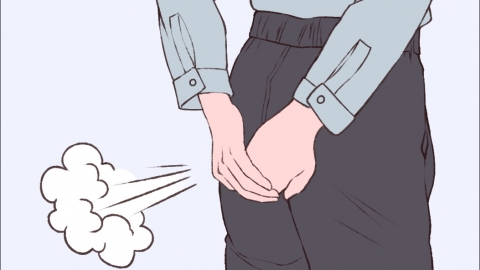
1. Consuming Gas-Producing Foods
If you eat too many gas-producing foods—such as soybeans, radishes, potatoes, or sweet potatoes—or eat too quickly, excessive gas may form in the intestines, leading to continuous flatulence that feels like constant leakage. Regular physical activity can help promote gastrointestinal motility, and you should avoid eating too quickly.
2. Swallowing Excessive Air
Eating too fast, drinking large amounts of water quickly, chewing gum, or smoking can lead to unintentional swallowing of large amounts of air. This air enters the gastrointestinal tract and moves downward with intestinal peristalsis, eventually being expelled as flatus. The more air swallowed, the more frequent the flatulence, which may occur without noticeable sensation. Slowing down while eating and avoiding talking during meals can help. Drink water slowly in small sips to reduce air intake.
3. Cold Exposure to the Abdomen
When the abdomen gets cold, intestinal motility may change—either speeding up or becoming disordered. In such cases, gas in the intestines is more easily pushed out. Additionally, cold exposure may disrupt the balance of gut bacteria, increasing gas production, and flatulence may occur without noticeable sensation. Keep the abdomen warm by using a hot water bottle or warm towel compress. Wear clothing that covers the abdomen, especially in cold weather or air-conditioned environments, to prevent direct exposure to cold air.
4. Indigestion
Weakened gastrointestinal motility or insufficient digestive enzyme secretion can prevent food from being fully digested and absorbed in the gastrointestinal tract. Undigested food is then broken down and fermented by bacteria, producing large amounts of gas, resulting in increased flatulence. Due to disrupted digestive function, the passage of gas may go unnoticed. Patients may also experience symptoms such as loss of appetite, nausea, and vomiting. Under medical guidance, medications such as *Bacillus subtilis* and *Enterococcus faecalis* viable granules, mosapride citrate tablets, or Dasha Zha Pills may be used to relieve symptoms.
5. Constipation
Insufficient water intake or a low-moisture diet may lead to dry, hard stools and constipation, affecting gastrointestinal motility. This can result in continuous flatulence with little sensation, bloating, and difficulty defecating. Patients should adjust their diet by consuming more high-moisture foods and drinking more water. Additionally, under medical supervision, medications such as Simotang Oral Liquid, lactulose oral solution, or Mahuang Pills may be used for treatment.
Patients are advised to seek medical care promptly when experiencing discomfort, identify the underlying cause, and receive targeted treatment under a doctor’s guidance.