


Why does knee pain get worse after applying a medicated patch?
Jan 01, 2024
Source: Cainiu Health

Dr. Xu Shuai
Introduction
Knee pain worsening after applying medicated patches may be related to factors such as cold stimulation, improper placement of the patch, external injury, drug irritation, or allergic reactions. Targeted treatment should be based on individual circumstances. If knee pain increases after using medicated patches, prompt medical attention is recommended. In terms of diet, it's important to ensure adequate intake of nutrients such as calcium and vitamin D to support bone health.
Knee pain worsening after applying medicated patches may be related to factors such as cold stimulation, improper placement of the patch, trauma, drug irritation, or allergic reactions. Treatment should be individualized based on specific circumstances. If discomfort occurs, medical attention should be sought promptly. Detailed analysis is as follows:
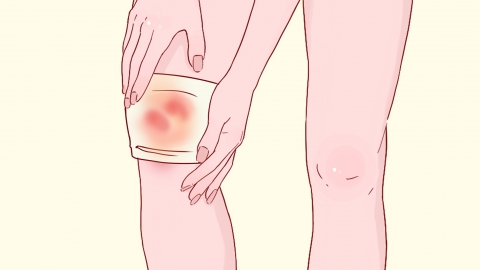
1. Cold Stimulation
Cold exposure typically causes blood vessels around the knee joint to constrict, slowing blood flow and reducing blood supply. Under these conditions, inflammatory factors around the joint may accumulate, exacerbating joint symptoms and leading to increased pain after applying medicated patches. It is important to keep the area warm and avoid exposing the knee joint to cold stimuli.
2. Improper Patch Placement
Incorrect placement of the medicated patch may cause local skin stretching and friction, intensifying pain. If the patch is placed too close to the joint cavity, the medication may penetrate into the joint space, causing swelling and pain. Gently massaging the painful area with fingertips can help improve local blood circulation and relieve muscle and fascial tension and discomfort.
3. Trauma
External injury or impact to the knee may result in damage to soft tissues or bones, causing pain. If applying a medicated patch does not provide proper realignment or stabilization, the pain may worsen. The wound should first be cleaned and disinfected, and care should be taken to protect it from infection. Medicated patches should only be used after the wound has healed.
4. Drug Irritation
Some medicated patches contain ingredients such as borneol or menthol, which may irritate the skin and cause pain. This irritation usually subsides gradually after continued use for a period of time and typically does not require special treatment.
5. Drug Allergy
If a patient has an allergic constitution and reacts to the components of the medicated patch, an allergic reaction may occur, triggering the release of inflammatory mediators in the skin and resulting in symptoms such as itching and stinging. The patient should immediately discontinue using the patch and, under medical guidance, take antiallergic medications such as promethazine hydrochloride tablets, compound paracetamol and phenyltoloxamine tablets, or chlorpheniramine maleate tablets.
In terms of diet, it is important to ensure adequate intake of nutrients such as calcium and vitamin D to support bone health. Excessive consumption of salt and sugar should also be avoided to prevent edema and inflammatory responses.





