Is prenatal education important?
Oct 31, 2024
Source: Cainiu Health

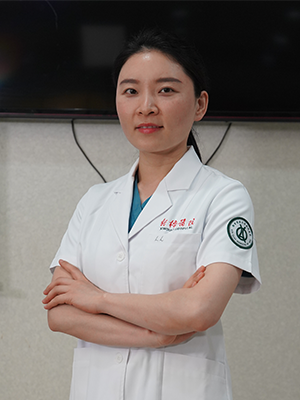
Dr. Zhang Lu
Introduction
In general, prenatal education is important. Prenatal education refers to physiological and psychological stimulation provided to the fetus during pregnancy through various methods, aiming to promote the fetus's overall development. Modern research indicates that prenatal education indeed has certain positive effects on the physical and mental development of the fetus. However, it should be conducted under scientific and rational guidance. Pregnant women should pay attention to their own health and psychological well-being during pregnancy.
In general, prenatal education is important. Prenatal education refers to physiological and psychological stimulation provided to the fetus during pregnancy through various methods, aiming to promote the fetus's overall development. Modern research indicates that prenatal education can have certain positive effects on fetal physical and mental development. The specific analysis is as follows:
Scientific studies show that prenatal education may positively influence the fetus's neural development, sensory growth, and learning abilities after birth. For example, music-based prenatal education is believed to stimulate the fetus's auditory development, while language-based prenatal education may enhance the fetus's language perception ability. Activities such as gently stroking the abdomen, talking to the fetus, and playing soothing music can strengthen emotional communication between the pregnant woman and the fetus, allowing the baby to feel the mother’s love even in the womb. This helps establish a stronger emotional bond between the baby and parents after birth. Participating in prenatal education activities can help pregnant women alleviate anxiety and stress during pregnancy, and by reducing stress hormone levels, indirectly promote fetal health. Although prenatal education is considered beneficial for the fetus, there is currently no medical evidence showing that it increases a child's intelligence or guarantees that the child will definitely be smarter in the future. Rather, prenatal education is primarily a way for expectant mothers to relax and build an emotional connection with their unborn babies.
Prenatal education holds certain importance for both the fetus and the pregnant woman, but it should be conducted under scientific and rational guidance. Pregnant women should pay attention to their own physical and mental health, plan prenatal education activities appropriately, and create a favorable environment for the healthy development of the fetus.