


What are the functions and effects of Kudzu root?
Nov 22, 2024
Source: Cainiu Health

Dr. Zhang Xiuhong
Introduction
Under normal circumstances, Kudzu root, as a commonly used traditional Chinese medicine, has various functions and effects, mainly including relieving muscle tension and reducing fever, promoting saliva production to relieve thirst, improving circulation of qi and blood, anti-inflammatory properties, and alleviating asthma. Kudzu root may cause some adverse reactions, such as loss of appetite, stomach distension, and diarrhea. Individuals with pre-existing gastrointestinal discomfort should use it with caution.
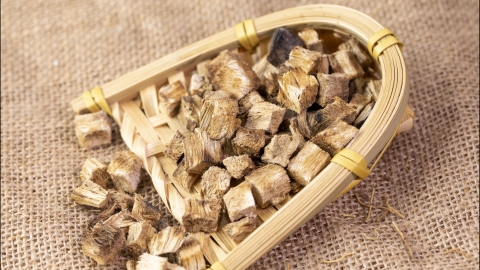
Generally speaking, as a common traditional Chinese medicinal herb, Kudzu root (Pueraria lobata) has various therapeutic effects and functions, mainly including relieving muscle tension and reducing fever, promoting saliva production to relieve thirst, improving circulation, possessing antibacterial and anti-inflammatory properties, and alleviating asthma. A detailed explanation is as follows:
1. Relieves Muscle Tension and Reduces Fever
Kudzu root contains abundant isoflavonoids, such as puerarin, which have significant antipyretic effects. When the body is invaded by cold or wind-cold pathogenic factors, kudzu root helps lower body temperature and relieve fever symptoms by dilating blood vessels and enhancing blood circulation.
2. Promotes Saliva Production and Relieves Thirst
Kudzu root has the effect of generating body fluids and moistening dryness, effectively alleviating symptoms such as dry mouth and thirst caused by heat-related illnesses or yin deficiency.
3. Promotes Blood Circulation and Relieves Pain
Kudzu root can alleviate pain and numbness caused by poor circulation through the meridians and has certain therapeutic effects on symptoms such as post-stroke hemiplegia and limb numbness.
4. Antibacterial and Anti-inflammatory
Kudzu root contains various flavonoids, which possess antibacterial and anti-inflammatory properties and can be used to treat inflammatory conditions such as pharyngitis and tonsillitis.
5. Alleviates Asthma
Kudzu root has a notable bronchodilatory effect and can therefore be used in the treatment of respiratory diseases such as asthma and chronic bronchitis.
Kudzu root may cause some adverse reactions, such as loss of appetite, stomach discomfort, and diarrhea. Individuals who already suffer from gastrointestinal discomfort should use it cautiously. During the consumption of kudzu root, spicy and irritating foods should be avoided to prevent aggravation of gastrointestinal reactions.





