What medications can lower high creatinine levels?
Nov 25, 2024
Source: Cainiu Health

Dr. Yang Ziqi
Introduction
Creatinine is a byproduct of muscle metabolism. Elevated creatinine levels usually indicate abnormal kidney function and may be associated with various diseases such as glomerulonephritis, kidney stones, diabetic nephropathy, and congestive heart failure. If creatinine levels are elevated, medications such as dexamethasone acetate tablets, hydrochlorothiazide tablets, acarbose tablets, Bailling capsules, and compound alpha-ketoacid tablets can be used under a doctor's guidance to help manage the condition.
Creatinine is a byproduct of muscle metabolism. Elevated creatinine levels usually indicate abnormal kidney function and may be associated with various diseases such as glomerulonephritis, kidney stones, diabetic nephropathy, hypertensive kidney disease, and congestive heart failure. If creatinine levels rise, medications such as dexamethasone acetate tablets, hydrochlorothiazide tablets, acarbose tablets, Bailing capsules, and compound α-ketoacid tablets can be used under a doctor's guidance to help control it. A detailed explanation is as follows:
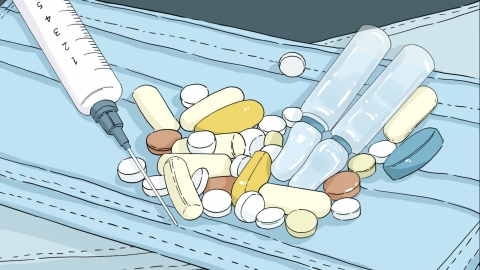
1. Dexamethasone Acetate Tablets: This medication is primarily used to treat glomerulonephritis caused by genetic factors, infections, or autoimmune abnormalities. It exerts anti-inflammatory and immunosuppressive effects, helping to control the underlying disease and thereby reduce creatinine levels.
2. Hydrochlorothiazide Tablets: These are mainly used to treat elevated creatinine caused by kidney stones. Kidney stones may lead to reduced creatinine excretion, and hydrochlorothiazide, as a diuretic, can promote urine excretion and help restore creatinine to normal levels.
3. Acarbose Tablets: Acarbose tablets are also effective in treating elevated creatinine caused by diabetic nephropathy. It helps control blood glucose levels and reduces the production of proteinuria, thus protecting kidney function and lowering creatinine.
4. Bailing Capsules: This medication directly acts on kidney function, improving it through kidney-nourishing and qi-enhancing effects, thereby assisting in lowering creatinine levels. It is suitable for elevated creatinine caused by various kidney diseases.
5. Compound α-Ketoacid Tablets: When used in combination with a low-protein diet, the ketoacid components in compound α-ketoacid tablets can be converted into essential amino acids, reducing nitrogenous waste products such as creatinine produced by protein breakdown in the body. It not only lowers creatinine levels but also improves the patient's nutritional status, helping delay the progression of kidney dysfunction.
Managing creatinine levels requires comprehensive treatment, including blood pressure monitoring, blood glucose control, and limiting salt and protein intake. Regular kidney function tests are recommended to allow timely adjustment of treatment plans.